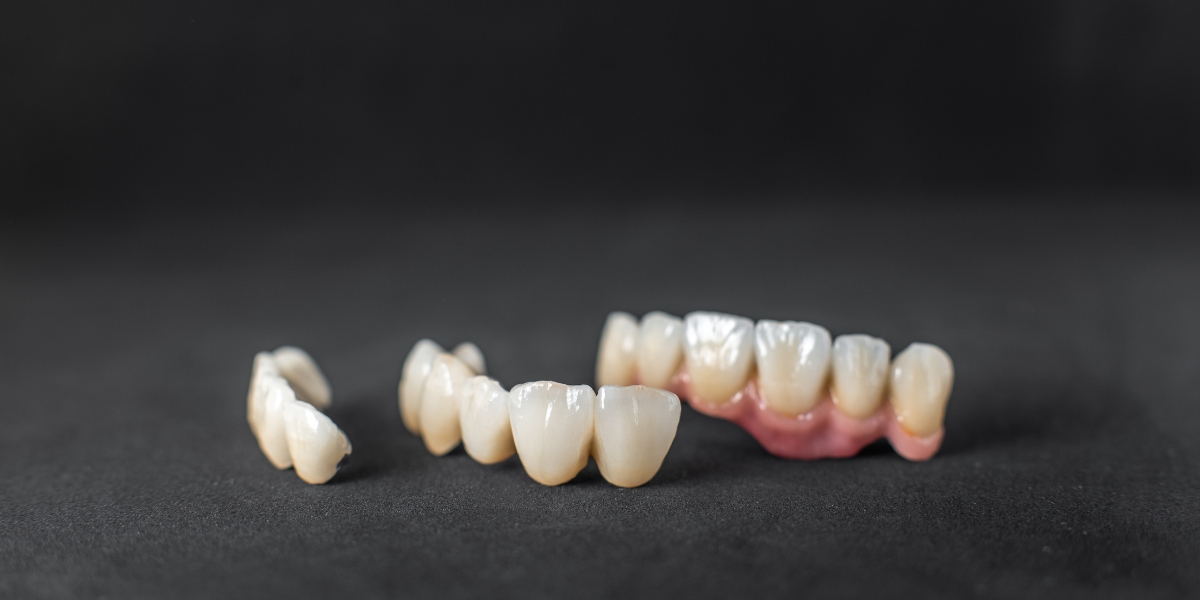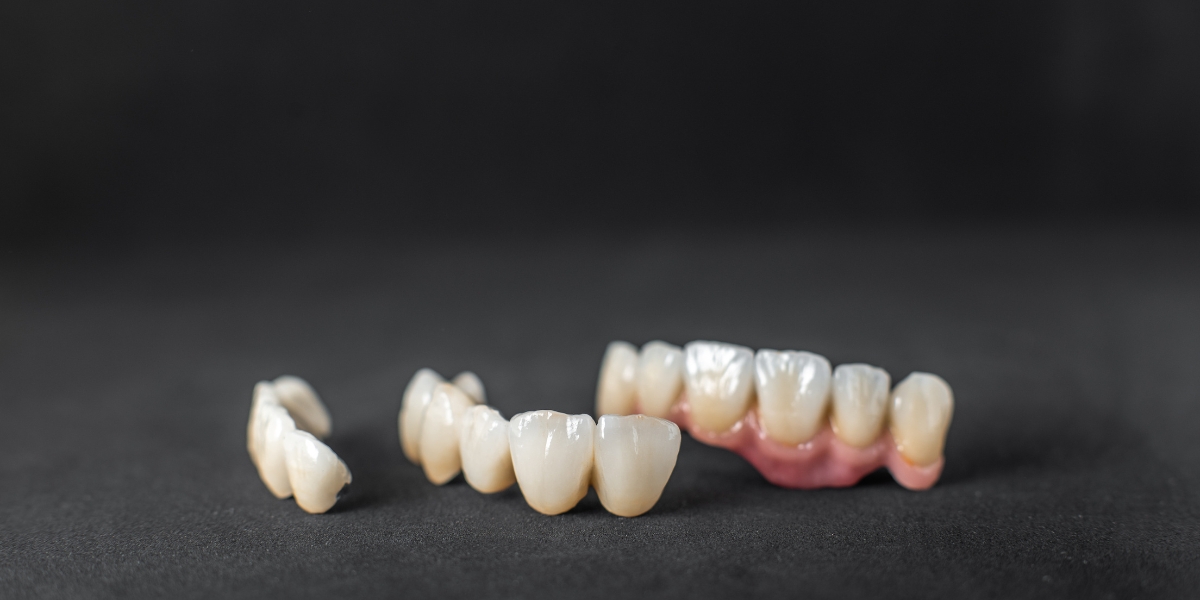


A dental crown is designed to cover and protect a damaged tooth while blending naturally with the surrounding teeth and gum tissue. When everything is fitting properly, you may hardly notice the crown is there. But if you begin seeing a space between the bottom edge of the crown and your gums, it is worth paying attention to.
A small opening around a crowned tooth can have different causes. Sometimes, the gum tissue has changed over time. In other cases, the crown may have become loose, worn down, or developed a problem underneath it. Whatever the reason, leaving the area unchecked can make it easier for plaque, bacteria, and food particles to collect around the tooth.
What Causes a Gap Between a Crown and the Gums?
There is not always one obvious reason for a gap. Your dentist will need to examine the crown, tooth, and surrounding gums to determine what is happening. Some common causes include:
Gum Recession
Gum tissue can gradually pull away from the tooth for several reasons. Gum disease, aggressive brushing, tobacco use, aging, and other factors can contribute to recession. As the gum moves downward, more of the tooth or crown margin may become visible.
Changes in the Crown or Tooth
A crown that was not fitting properly from the beginning may leave an opening where the crown meets the gum. A crown can also become damaged or loosen over time, particularly if you regularly clench or grind your teeth.
Decay Beneath the Crown
Although a crown protects much of the tooth, decay can still develop around its edges if bacteria gain access to the underlying tooth. This can compromise the tooth and affect how securely the crown fits.
For patients who need a replacement or a new restoration, same day crowns in Hollywood may be an option depending on the tooth, the condition of the existing crown, and the technology available at the dental office. In appropriate cases, digital impressions and chairside crown technology can help streamline the restoration process.
Signs You May Have a Crown-to-Gum Gap
A gap isn’t always easy to spot. It may be hidden along the back or side of the tooth, or it may develop gradually. Pay attention if you notice:
- Food repeatedly getting caught around the crown
- New sensitivity to hot or cold foods
- Red, swollen, or tender gums
- Bleeding when brushing or flossing
- Persistent bad breath or an unpleasant taste
- A visible space between the crown and gum
- A crown that feels different when you bite
- Movement or looseness around the crowned tooth
If you notice these changes, a Hollywood dentist can examine the area and determine whether the concern involves the crown itself, the gums, or the tooth underneath.
How Is a Gap Between a Crown and Gum Fixed?
Treatment depends on what caused the opening. Your dentist may recommend one of several approaches rather than automatically replacing the crown.
Crown Replacement
If the crown is damaged, poorly fitting, worn, or no longer providing adequate protection, replacing it may be necessary. The existing restoration can be removed so the underlying tooth and gum tissue can be evaluated before a new crown is placed.
Treating Gum Recession
When recession is responsible for the exposed area, treating the gums may be more important than changing the crown. Depending on the severity, your dentist may recommend improved home care, periodontal treatment, or a gum graft to restore lost tissue.
Treating Decay
If decay has developed around or underneath the crown, the dentist must address the affected tooth structure. The treatment may involve removing decay and restoring the tooth before placing a new crown or another suitable restoration.
Crown Adjustment or Recementation
A crown that has shifted or partially loosened may sometimes be treated without making an entirely new restoration. Your dentist will determine whether the crown is still structurally sound and suitable for reuse.
Professional Gum Treatment
Plaque and tartar around a crown can irritate the gums and contribute to inflammation. A professional cleaning can help control buildup. If gum disease is present, additional periodontal treatment may be recommended.
Can You Fix a Crown Gap at Home?
There is no reliable home treatment for physically closing a gap between a crown and the gum. Trying to glue, file, or reshape the crown yourself can damage the restoration and the tooth beneath it.
Until you can see your dentist, keep the area clean with gentle brushing and careful flossing. An antibacterial mouth rinse may also help control bacteria. If the area is sore, avoid very hard, sticky, or extremely hot foods that aggravate the tooth.
These steps can help you manage the area temporarily, but they do not correct the underlying cause.
How to Protect Your Crown and Gums
Once the problem has been treated, a few simple habits can help protect the restoration and surrounding tissue:
- Brush twice a day with a soft-bristled toothbrush.
- Clean between your teeth every day.
- Pay close attention to the gumline around the crown.
- Avoid chewing very hard objects or foods that could damage the restoration.
- Wear a dentist-recommended nightguard if you grind or clench your teeth.
- Keep regular dental and professional cleaning appointments.
- Contact your dental office if the crown feels loose or your gums begin bleeding.
Good oral hygiene is especially important around the edge of a crown because this area can collect plaque if it is not cleaned thoroughly.
When Should You See a Dentist?
A small gap may not cause pain at first, but that does not necessarily mean there is no problem. Make an appointment if you notice a new space, persistent sensitivity, food trapping, gum swelling, bleeding, an unpleasant taste, or movement of the crown.
Seek prompt dental attention if you develop significant pain, facial swelling, pus, fever, or a crown that has become very loose. These symptoms may indicate a more advanced dental or gum problem that needs timely treatment.
If you notice a gap between your crown and gums, schedule an appointment with Parker Dentistry to have the area evaluated.
Frequently Asked Questions
Can a small gap between a crown and gum be normal?
A slight change in how the gum meets a crown can occur as gum tissue changes over time. However, a new or noticeable gap should be evaluated because it can also be related to recession, crown problems, or decay.
Does gum recession make a crown look like it has a gap?
Yes. When gum tissue recedes, more of the tooth or crown margin may become visible. The crown itself may still be intact, but the surrounding gum has changed.
Can a loose crown cause a gap?
Yes. If a crown becomes loose or shifts from its original position, an opening may develop around its edges. A dentist should check the crown rather than attempting to reposition it at home.
Can decay develop under a dental crown?
Yes. A crown does not make the underlying tooth completely immune to decay. Bacteria can reach areas around the crown margin, particularly when plaque accumulates or the seal has been compromised.
How do dentists determine what is causing the gap?
The dentist will examine the crown, gum tissue, bite, and underlying tooth. Dental X-rays or other diagnostic images may also be used when necessary to check for decay, bone changes, or problems that cannot be seen during a visual examination.
Does every gap require a new crown?
No. Treatment depends on the cause. A dentist may recommend gum treatment, cleaning, an adjustment, recementation, treatment for decay, or crown replacement depending on the condition of the tooth and restoration.
Can I floss around a crown if there is a gap?
Generally, keeping the area clean is important, but floss should be used gently. If floss catches, shreds, or causes significant bleeding around the crown, ask your dental office for specific cleaning instructions.
How can I prevent problems around a dental crown?
Brush twice daily, clean between your teeth, attend routine dental visits, avoid habits that can damage the crown, and address gum bleeding or sensitivity early. Regular professional examinations can also help identify changes before they become more serious.