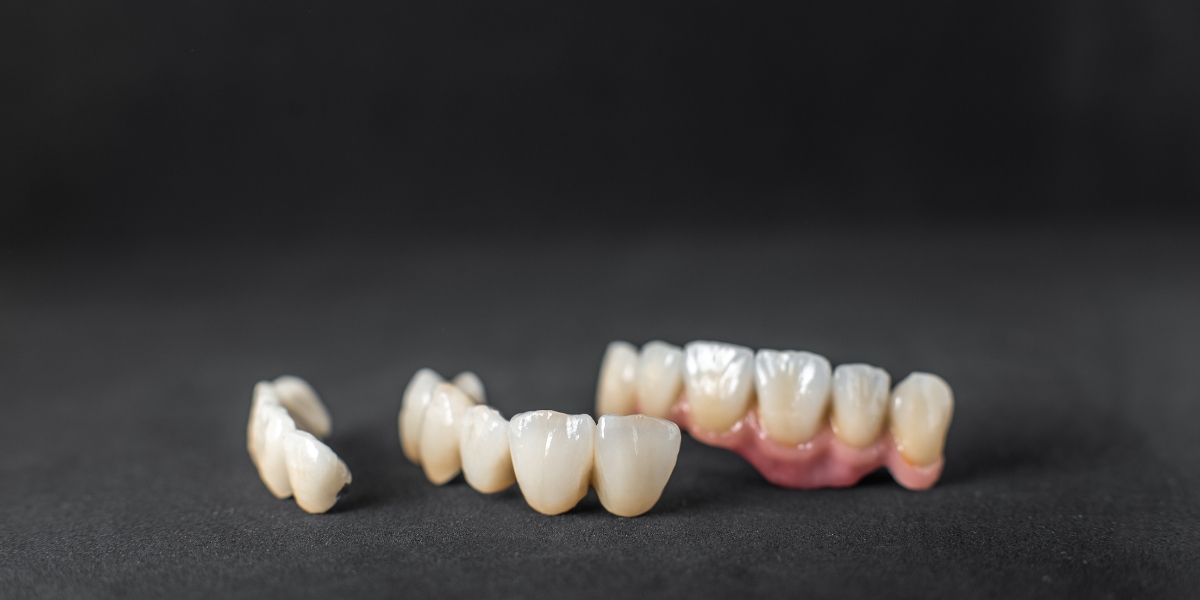


Dental crowns are often used to save teeth that have been weakened by decay, fractures, or large dental fillings. They cover the visible part of the tooth and help restore its strength while also improving the way the tooth looks and functions. Crowns are made to be durable, but like any dental restoration, they may eventually need to be removed or replaced.
Many people become nervous when they hear a crown needs to come off, especially if they have had it for years. The good news is that dentists remove crowns regularly, and the procedure is usually straightforward and comfortable for patients. Whether the crown is damaged, loose, or hiding a problem underneath, removing it allows the dentist to protect the health of the tooth before the issue becomes worse.
If you have been dealing with sensitivity, discomfort, or changes around a crown, visiting an experienced dentist in Hollywood can help you understand what is happening. At Parker Dentistry, patients receive customized care focused on restoring comfort and maintaining long-term oral health.
Why Would a Dentist Remove a Crown?
A dental crown is designed to stay in place for many years, but there are situations where taking it off becomes necessary. Sometimes the issue is obvious, while other times it is discovered during a routine dental exam.
Decay Can Develop Beneath the Crown
Even though a crown covers the tooth, bacteria can still find their way into small spaces near the edges. If decay begins underneath the crown, the dentist may need to remove it to clean the area and repair the tooth properly.
The Crown May Be Damaged
Crowns are strong, but daily chewing, grinding, or accidental trauma can eventually wear them down. Small cracks or chips may grow larger over time and affect the way the crown functions.
The Fit May No Longer Feel Right
Some patients notice their crown feels loose or uneven after several years. A crown that does not fit correctly can irritate the gums, affect your bite, or allow food particles to collect around the tooth.
Cosmetic Changes Are Sometimes Requested
Older crowns may no longer match nearby teeth due to staining or changes in surrounding dental work. Replacing the crown can improve the appearance of the smile and create a more natural look.
Problems Under the Tooth Need Treatment
In some cases, infection or inflammation develops underneath the crown. Removing the restoration gives the dentist access to the tooth so the issue can be treated before it worsens.
What Happens During Crown Removal?
Many patients imagine crown removal is complicated or painful, but modern dentistry makes the process much easier than most people expect. Dentists use special tools and careful techniques to remove the crown while protecting the tooth underneath.
The Tooth Is Examined First
Before starting, the dentist carefully checks the condition of the crown and surrounding gums. Dental X-rays may also be taken to see what is happening beneath the surface.
The Area Is Numbed
A local anesthetic is usually used so the patient stays comfortable during the appointment. Once the area is numb, the dentist can begin working without causing pain.
The Crown Is Loosened
The dentist gently breaks down the material holding the crown in place. Depending on the type of crown and cement used, different instruments may be needed to loosen it safely.
The Crown Is Removed Carefully
After the crown loosens, it is slowly lifted away from the tooth. Some crowns come off in one piece, while others may need to be separated into smaller sections to avoid damaging the tooth underneath.
The Tooth Is Checked for Damage
Once the crown is off, the dentist examines the tooth closely for decay, fractures, or signs of infection. Any necessary treatment is completed before moving forward with a new restoration.
A Temporary Crown May Be Placed
If a replacement crown is needed, a temporary crown may be used to protect the tooth until the permanent one is ready.
Is the Procedure Painful?
Most patients feel very little during crown removal because the tooth and surrounding area are numbed beforehand. After the appointment, there may be mild tenderness or sensitivity for a short time, but this usually improves quickly.
How Long Does It Take?
The appointment length depends on the condition of the crown and the health of the tooth underneath. Some crowns can be removed within a short visit, while others may require additional time if further treatment is needed.
Caring for Your Crown and Teeth
Keeping your crown in good condition starts with strong oral hygiene habits. Brushing twice daily, flossing carefully, and visiting the dentist regularly can help reduce the risk of problems developing around the crown.
Patients searching for dependable restorative dental care in Hollywood can trust Parker Dentistry for personalized treatment and ongoing smile care.
Frequently Asked Questions
Can a dentist remove a crown without harming the tooth?
Yes. Dentists use professional tools and techniques designed to remove crowns as safely as possible while preserving the natural tooth structure.
Why does my crown feel loose?
A loose crown may happen because the cement has weakened, the crown has worn down, or decay has developed underneath it.
What should I do if my crown cracks?
Contact your dentist as soon as possible. Waiting too long may allow bacteria to enter the tooth and create additional damage.
Are temporary crowns strong enough for everyday use?
Temporary crowns are designed to protect the tooth for a short period, but patients should still avoid very sticky or hard foods until the permanent crown is placed.
How often should crowns be checked?
Crowns should be evaluated during regular dental visits so your dentist can identify any small problems before they become more serious.
A dental crown may protect your tooth, but it still requires attention and care over time. If you notice discomfort, damage, or changes around your crown, schedule an appointment with Parker Dentistry in Hollywood today for a professional evaluation and personalized treatment.