

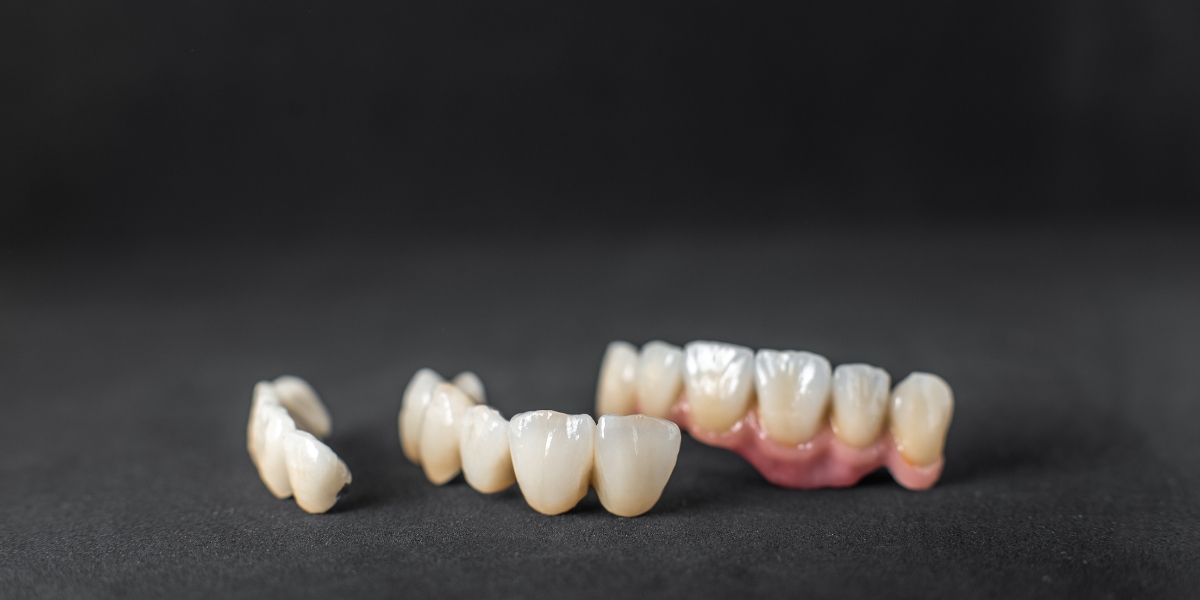
A broken dental crown can catch anyone off guard. Maybe you bit down on something harder than expected, had a small accident, or noticed a fracture without warning. Regardless of the cause, having a crown break can be frustrating, uncomfortable, and even a little alarming. But the good news? Most crown-related emergencies can be handled smoothly with the right steps and timely care.
Before diving into the steps you should take, it’s helpful to understand what dental crowns are and why they’re essential. Many patients choose crowns to restore weakened, fractured, or cosmetically compromised teeth because they offer protection, durability, and a natural appearance.
In some cases—especially when time is limited—patients benefit from same day crowns in Hollywood, which allow a damaged tooth to be restored in a single visit. These restorations eliminate long waits, reduce sensitivity, and provide a seamless, durable replacement without the inconvenience of wearing a temporary crown. If you’re dealing with a broken crown, same-day technology can be a major relief and a practical solution.
Let’s walk through exactly what you should do if your crown breaks and how to safeguard your oral health moving forward.
What Is a Dental Crown?
A dental crown is a custom-made restoration designed to cover and protect a damaged tooth. Its purpose is to restore function, improve appearance, and prevent further deterioration. Crowns are commonly crafted from porcelain, ceramic, metal alloys, or a combination of materials to provide long-lasting durability.
Placing a crown typically involves preparing the tooth, taking impressions, and fabricating a customized cap that fits comfortably. Crowns are ideal for teeth that have:
- Extensive decay
- Severe cracks or fractures
- Significant wear
- Misshapen or discolored enamel
- Been treated with a root canal
With proper care and regular dental visits, a well-made crown can last a decade or longer. But no restoration is invincible, which is why knowing what to do when your crown breaks is crucial.
7 Essential Steps to Take When Your Dental Crown Breaks
Below are the key actions to take if your crown cracks, loosens, or falls out. Prompt care helps prevent complications like infection, pain, or further tooth damage.
Step 1: Contact Your Dentist Immediately
The moment you notice a broken or loose crown, call your dentist. Even if you’re not experiencing pain, a compromised crown exposes the underlying tooth, making it vulnerable to decay, temperature sensitivity, and fractures.
Dental offices often leave room for emergency cases, so immediate help is usually available. Acting quickly also prevents bacteria from entering the tooth or gumline, reducing the risk of infection.
Step 2: Stop Using the Affected Tooth
Until a dental professional evaluates the situation, avoid chewing on the side of the broken crown. Applying pressure to a damaged tooth can create more cracks, worsen pain, or even lead to a complete break that may require more extensive treatment.
Stick to softer foods like yogurt, scrambled eggs, or soup until your appointment. If part of the crown is still attached, be gentle while speaking and chewing to avoid dislodging the rest.
Step 3: Reduce Swelling and Manage Discomfort
A broken crown can irritate surrounding tissues or expose sensitive inner tooth layers, leading to discomfort. To manage this:
- Apply a cold compress on the cheek near the affected tooth for 10 minutes at a time.
- Use over-the-counter pain relievers such as ibuprofen if needed (unless advised otherwise by your dentist or physician).
- Rinse with warm saltwater to soothe irritated gums and keep the area clean.
These remedies provide temporary relief but do not replace professional care.
Step 4: Protect the Tooth From Additional Harm
Before seeing your dentist, take precautions to prevent further damage:
- Avoid sticky, crunchy, or hard foods.
- Do not attempt to glue the crown back yourself. Household adhesives contain toxins unsafe for oral tissues.
- If the broken crown leaves sharp edges, you may use dental wax from a pharmacy to cover the area temporarily.
These simple steps can help maintain the tooth’s condition until treatment is provided.
Step 5: Consider Whether the Crown Needs Replacement
Depending on the damage, your dentist will recommend either repairing the existing crown or creating a new one. Minor chips may be corrected with bonding, but extensive fractures typically require replacement.
Today, many patients opt for same-day or same-visit restorations when possible. This helps avoid wearing a temporary crown and restores the tooth’s function quickly. Your dentist will help determine the best approach based on the remaining structure of the tooth and the condition of the old crown.
Step 6: Maintain Excellent Oral Hygiene
Keeping the area clean is essential to prevent bacteria from settling around the broken restoration. Here’s how:
- Brush gently around the damaged area twice a day.
- Floss carefully to avoid tugging on the crown.
- Use an antibacterial mouthwash to help reduce plaque.
Good hygiene helps keep the exposed tooth stable until treatment and supports long-term success once the crown is repaired.
This is also an ideal time to consult a dentist in Hollywood, especially if you are local and need professional evaluation or guidance on protecting your smile. Experienced dentists can quickly diagnose the issue and offer tailored options based on your oral health needs.
Step 7: Schedule Prompt Repair
Do not delay your dental visit. Prompt treatment prevents worsening damage, avoids infection, and ensures the tooth and surrounding gum tissues remain healthy.
Once your dentist evaluates the situation, they will determine whether re-cementing, repairing, or fully replacing the crown is the best solution. Some cases may require additional treatments if the underlying tooth has developed decay or a deeper fracture.
With timely care, most broken crowns can be restored successfully with long-lasting results.
Frequently Asked Questions
How long do dental crowns last?
Most dental crowns last 10–15 years, but good oral hygiene, avoiding teeth grinding, and regular dental checkups can extend their lifespan.
Are same-day crowns durable?
Yes. Same-day crowns crafted with modern CAD/CAM technology are strong, precise, and comparable in longevity to traditional crowns.
Is a broken dental crown considered an emergency?
Typically, yes. A broken crown exposes the underlying tooth, which may become sensitive or develop decay, so it’s best to seek immediate care.
Can a broken crown be glued back on at home?
No. Never use household glues or adhesives—they are unsafe for oral use. Only a dentist can properly reattach or replace a crown.
Why did my dental crown break?
Common causes include wear and tear, teeth grinding, biting down on hard foods, decay under the crown, or trauma.
Is it painful when a crown breaks?
Not always, but many people experience sensitivity or discomfort, especially if the underlying tooth is exposed.
How much does crown replacement typically cost?
Costs vary depending on the material, location, and type of crown. Your dentist can provide a personalized estimate after examining the tooth.
Taking quick action when a dental crown breaks helps protect your oral health and ensures the best possible outcome. If you’re experiencing crown issues or want to explore reliable restoration options, schedule an appointment today.