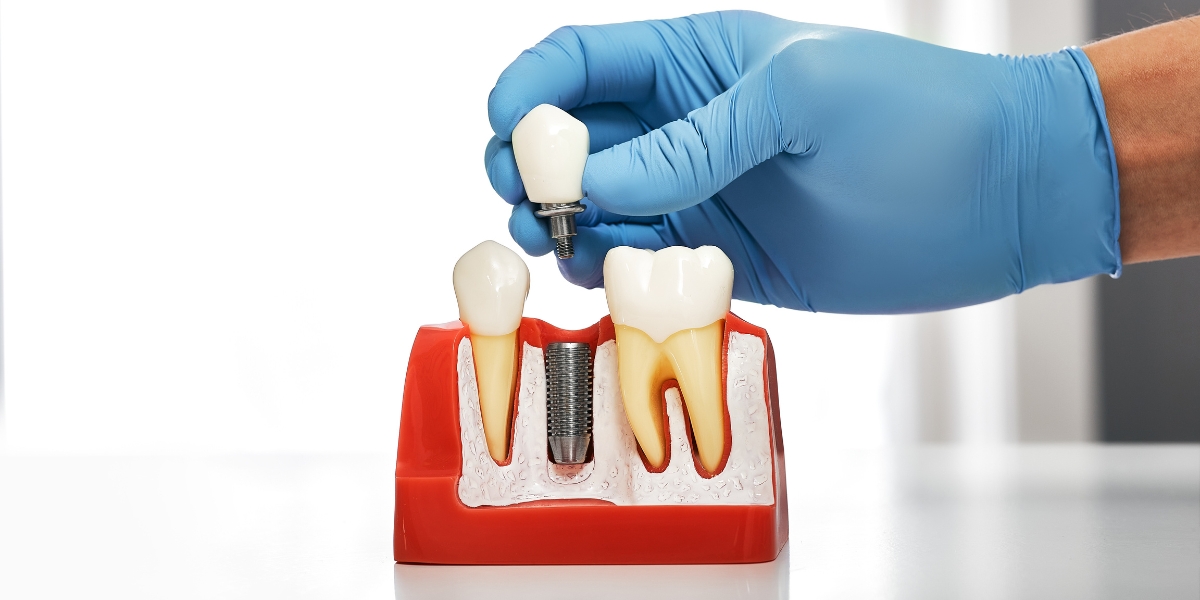

Dental implant surgery is a big step toward restoring your smile and confidence. But once the procedure is done, many people face the same question: “What can I eat now?” The days following surgery are crucial for healing, and your diet plays a major role in how quickly and comfortably you recover. Making the right food choices can minimize discomfort, protect your implants, and even speed up healing.
If you recently received dental implants in Hollywood, knowing the right eating habits can make all the difference. Your dentist will provide personalized guidance, but understanding the basics of a post-implant surgery diet will help you prepare and feel confident about recovery.
Why Diet Matters After Dental Implants
Your mouth goes through a healing phase as bone and gum tissue integrate with the implant. During this period, what you eat directly affects recovery. A soft and nutritious diet can:
- Prevent irritation at the surgical site
- Lower the risk of infection or implant failure
- Support tissue repair and bone growth
- Reduce pain and swelling
Research shows that proper nutrition plays a significant role in oral healing. For example, adequate protein intake supports tissue repair, while vitamins like Vitamin C and Vitamin D help boost gum health and bone integration.
The First 24 Hours: Extra Caution
During the first day after surgery, your main goal is to protect the surgical site and avoid unnecessary pressure. Stick to cool, soft foods and avoid anything too hot, spicy, or chewy. Think about options like:
- Applesauce
- Yogurt
- Smoothies (avoid using a straw as suction can disturb healing)
- Mashed potatoes
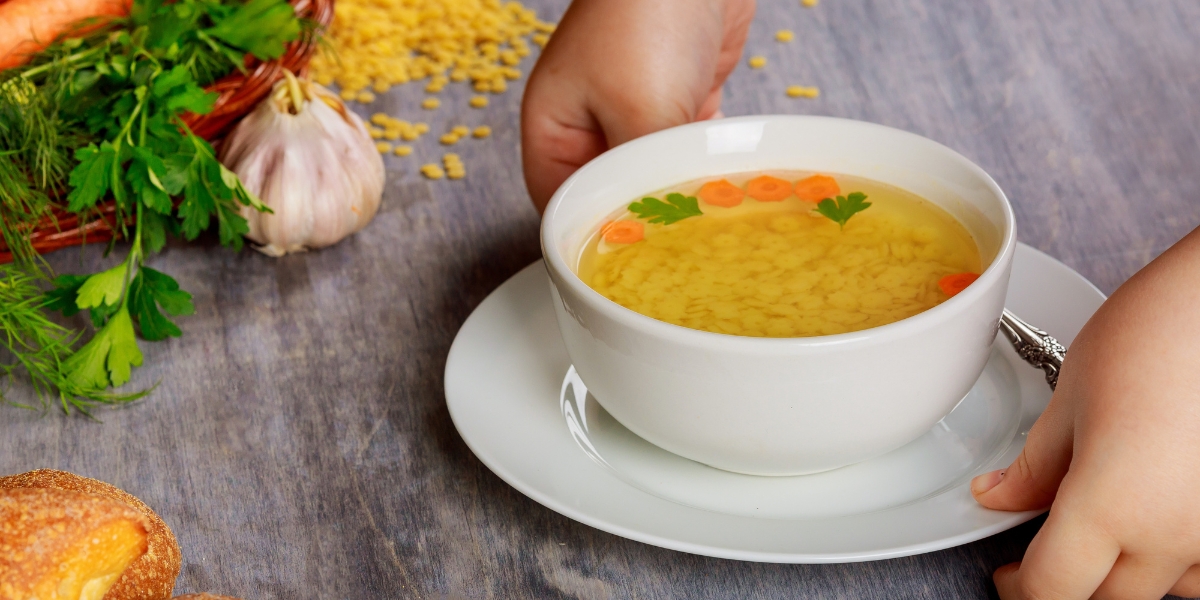
- Chilled soup (blended, not chunky)
Hydration is also essential. Drink plenty of water, but steer clear of carbonated beverages, alcohol, and caffeinated drinks, as they may slow healing.
Soft Foods After Dental Implants
As the initial swelling begins to subside, you can expand your menu with more dental implant recovery foods. These should still be soft but packed with nutrients. Great options include:
- Scrambled eggs or omelets for protein
- Oatmeal or cream of wheat for fiber
- Steamed vegetables that are mashed or blended
- Cottage cheese and soft cheeses
- Bananas, ripe peaches, or other soft fruits
This healing diet for implants ensures you get the nutrients needed to build strength without straining your new implant.
Foods to Avoid During Healing
Certain foods may feel tempting but can cause complications if eaten too soon. To protect your implants, avoid:
- Crunchy snacks (nuts, chips, raw carrots)
- Sticky foods (caramel, chewing gum)
- Acidic foods (citrus fruits, tomatoes in large amounts)
- Spicy dishes that may irritate the gums
- Very hot beverages or soups
Following these food restrictions after implants can reduce unnecessary stress on your healing gums and bone.
Nutrition for Dental Healing
Healing isn’t just about eating soft foods—it’s about making smart nutritional choices. Think of your diet as medicine. Balanced nutrition can shorten recovery time and improve implant success rates.
- Protein: Supports tissue and bone repair (chicken, fish, tofu, beans—blended or soft versions work best).
- Calcium: Strengthens bone integration (yogurt, milk, soft cheeses).
- Vitamin C: Helps gums heal faster (mashed berries, soft kiwis).
- Omega-3 Fatty Acids: Reduce inflammation (soft fish like salmon).
According to the American Dental Association, nutrition is an essential component of oral health. Following a nutrient-rich plan during implant recovery can significantly improve healing outcomes.
Gradually Returning to a Normal Diet
By the second week, many patients can slowly introduce firmer foods. The key is to go at your own pace and listen to your dentist’s recommendations. Start with tender meats, cooked pasta, and soft bread before moving to crunchier foods. Always chew on the side opposite the implant site until you get approval for full function.
Local Insight: Dental Implants in Hollywood
Many patients looking for dental implants in Hollywood want to know how their lifestyle and food choices will affect long-term results. A trusted dentist can provide a personalized plan for your recovery diet, taking into account your unique needs and habits. Having a professional by your side ensures you’ll know exactly when it’s safe to transition back to your favorite meals.
FAQs About Eating After Dental Implant Surgery
Q1: When can I eat solid food after dental implants?
Most patients can start reintroducing soft solid foods after about a week, but it’s best to follow your dentist’s timeline.
Q2: Can I drink coffee after implant surgery?
It’s best to avoid hot drinks for at least 24–48 hours, as heat can increase swelling.
Q3: Are smoothies okay after dental implants?
Yes, smoothies are great recovery foods, but avoid straws since suction may disrupt healing.
Q4: How long do food restrictions last after implants?
On average, dietary adjustments last 1–2 weeks, but some patients need longer depending on healing progress.
Q5: What happens if I eat crunchy food too soon?
Eating hard or crunchy foods too early can cause pressure, pain, or even disturb the implant site, potentially affecting success.
Final Thoughts
Choosing the right post-implant surgery diet is one of the most important steps in ensuring your implants heal properly. From soft foods in the first days to gradually introducing a variety of nutritious meals, your eating habits play a vital role in recovery. With guidance from a dentist in Hollywood, you’ll have the reassurance and support you need every step of the way.
Your new smile deserves the best care—protect your investment with smart food choices and professional aftercare.
Schedule an appointment today to make sure your recovery is on track and your implants stay strong for years to come.