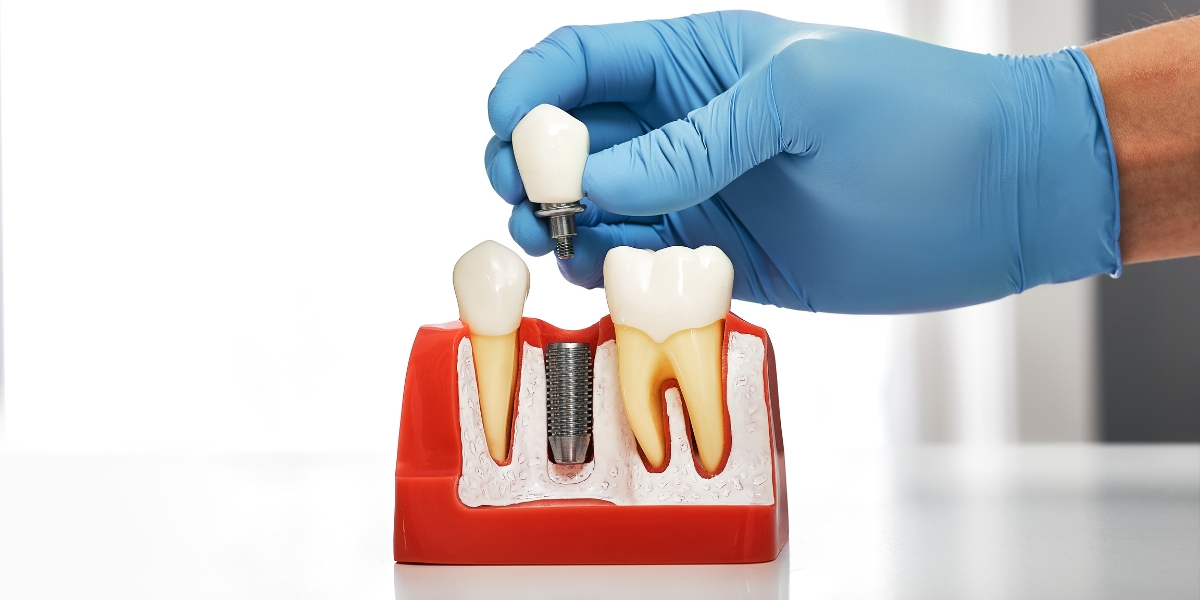

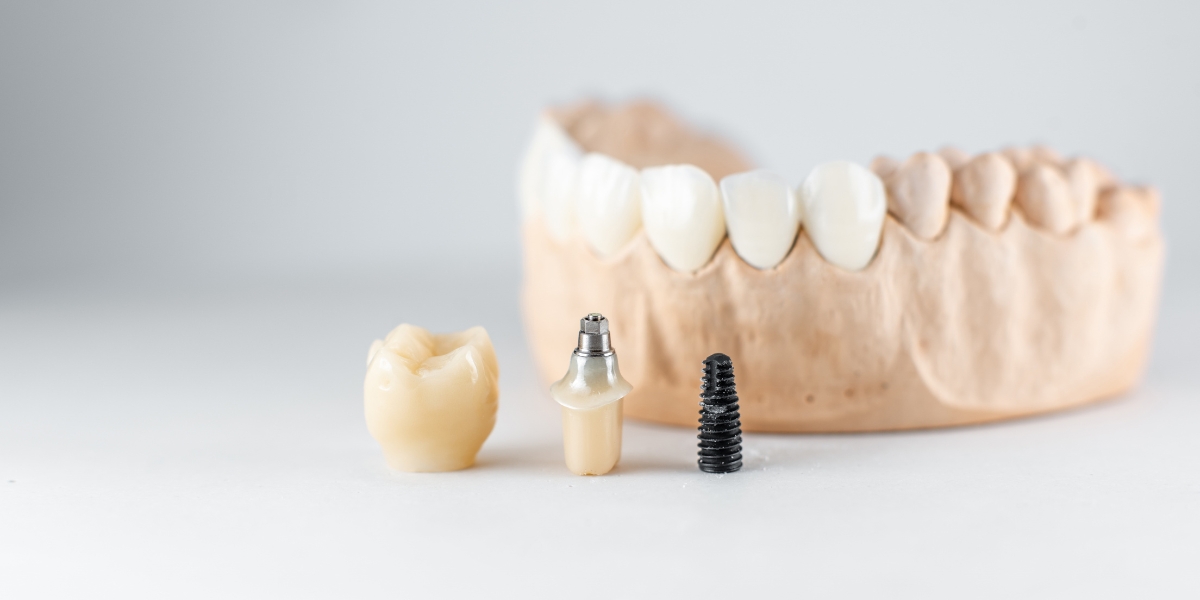
Replacing a missing tooth is about more than filling a gap in your smile. It is about restoring your ability to eat comfortably, speak clearly, and feel like yourself again. That’s why so many people choose dental implants. They are designed to function much like natural teeth and, with the right care, can provide dependable results for many years.
Still, it’s important to remember that an implant isn’t something you can simply forget about after the procedure. Like natural teeth, implants depend on healthy gums, a strong jawbone, and consistent oral care. Knowing what can affect their longevity is the first step toward protecting your smile.
The Foundation of a Successful Implant
Think of a dental implant like the foundation of a house. If the ground underneath isn’t stable, the structure above it won’t perform as expected. The same principle applies inside your mouth.
Before recommending dental implants Hollywood, your dental provider will carefully evaluate the condition of your gums, jawbone, and surrounding teeth. Treating gum disease, infections, or significant bone loss beforehand greatly improves the chances of long-term success. A healthy mouth gives an implant the environment it needs to heal naturally.
Implant Problems Don’t Usually Happen Overnight
Most implant complications develop gradually. In many cases, they begin with small issues that become larger only when they’re ignored.
For example, plaque doesn’t just affect natural teeth. It can also collect around an implant. If bacteria remain in that area for too long, the surrounding gum tissue may become irritated. Left untreated, the inflammation can eventually affect the bone that supports the implant.
Heavy pressure is another concern. People who clench or grind their teeth often don’t realize how much force they’re placing on their dental work while they sleep. Over time, that repeated pressure can weaken the implant’s support or damage the restoration attached to it.
Smoking is another factor that deserves attention. Because tobacco slows circulation, the gums receive less oxygen and fewer nutrients during healing. This makes recovery more difficult and increases the likelihood of infection.
Even general health conditions, certain medications, or delayed treatment of oral infections can influence how well an implant performs over time.
Small Warning Signs Can Prevent Bigger Problems
Many people expect severe pain if something is wrong with an implant. In reality, the early signs are often subtle.
You might notice slight tenderness while chewing, mild swelling that doesn’t improve, bleeding while brushing near the implant, or gums that begin pulling away from the restoration. Some patients also notice persistent bad breath or an unusual taste that doesn’t go away.
These symptoms don’t always mean an implant has failed, but they do mean it’s time for a professional evaluation. Addressing concerns early often leads to simpler treatment.
Everyday Habits Matter More Than You Think
The success of an implant depends just as much on your daily routine as it does on the procedure itself.
Visiting a trusted dentist in Hollywood for regular preventive care allows potential problems to be identified long before they become serious. Between appointments, a few simple habits can make a remarkable difference.
Brush carefully every morning and evening, paying close attention to the gumline around the implant. Clean between your teeth every day to remove food particles and plaque that a toothbrush can’t reach. If your dentist recommends a water flosser or interdental brush, using those tools can provide additional protection.
Your lifestyle choices also play an important role. Drinking enough water helps maintain a healthier oral environment, while a balanced diet supports strong bone and healthy gum tissue. If you smoke, reducing or quitting tobacco use is one of the best decisions you can make for both your implants and your overall health.
What Happens If an Implant Develops a Problem?
Not every complication leads to implant removal. In fact, many situations can be corrected when treatment begins early.
If inflammation is limited to the gum tissue, your dentist may recommend a thorough cleaning around the implant and specialized treatment to eliminate harmful bacteria. When bone or gum tissue has receded, regenerative procedures may help rebuild the area and improve stability.
Occasionally, the implant itself remains perfectly healthy while the crown attached to it becomes damaged from normal wear or accidental trauma. Replacing the restoration is often a straightforward solution.
Only in more advanced situations—such as severe infection or extensive bone loss—might the implant need to be removed. Even then, many patients are able to receive another implant after the area has healed properly.
A Little Prevention Goes a Long Way
Dental implants are built to last, but they aren’t maintenance-free. Giving your implants the same attention you give your natural teeth greatly increases the likelihood that they’ll continue serving you for decades.
Keeping your appointments, practicing good oral hygiene, and acting quickly when something feels different can help you avoid more complex treatment later. Your smile is an investment, and a little preventive care goes a long way toward protecting it.
Schedule an appointment with Parker Dentistry today to learn how personalized implant care can help you enjoy a healthier, stronger, and more confident smile.
Frequently Asked Questions
Are dental implants likely to fail?
Implant failure is uncommon. Most implants remain successful for many years when patients maintain good oral hygiene and attend routine dental visits.
What is usually the first sign of an implant problem?
Early signs often include swollen gums, bleeding near the implant, discomfort while chewing, or a feeling that the implant doesn’t seem as stable as before.
Does everyone qualify for dental implants?
Not always. Healthy gums and enough jawbone are important. Your dentist will evaluate your oral health to determine whether implants are the right option.
Can an infection around an implant be treated?
Yes. Many implant-related infections respond well to professional cleaning and early treatment before they affect the surrounding bone.
Will I need special products to clean my implant?
Most people can care for implants with a toothbrush, floss, and any additional cleaning aids recommended by their dentist.
Can grinding my teeth shorten the life of my implant?
Yes. Continuous grinding places extra pressure on implants and restorations. A custom nightguard may help reduce unnecessary stress.
How often should dental implants be professionally examined?
Most patients benefit from examinations and cleanings every six months, although some may require more frequent visits based on their oral health.
How long can dental implants last?
With proper care, many dental implants remain healthy and functional for several decades, making them one of the most dependable tooth replacement options available.