
Dental implants are often described as a long-term solution—and for many people, they truly are. They look natural, feel stable, and allow you to eat and speak without worry. But here’s something people don’t always hear: even though implants don’t decay like natural teeth, the tissues around them can still develop problems over time.
So yes, an implant can become infected years after it’s been placed. It’s not common, but it does happen—and in most cases, it’s linked to how well the area is cared for over time.
What Causes an Implant Infection?
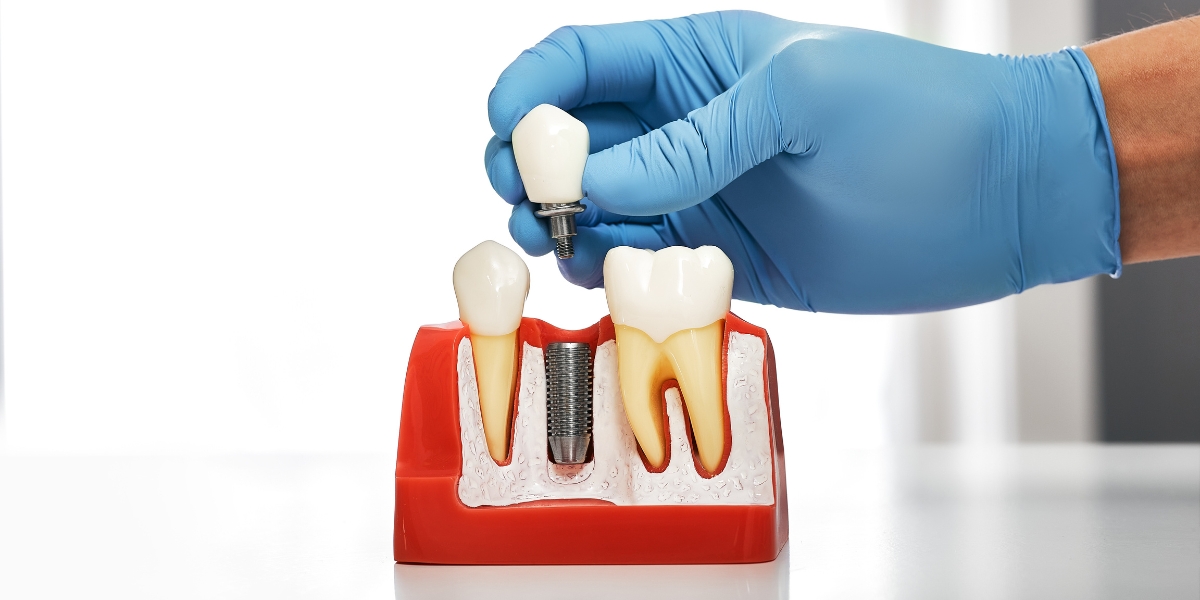
The issue behind most late implant problems is a condition known as peri-implantitis. In simple terms, it’s when bacteria build up around the implant and start irritating the surrounding gum and bone.
This doesn’t usually happen overnight. It tends to begin with plaque that isn’t fully removed during daily cleaning. Gradually, that buildup can lead to inflammation, and if nothing is done, it may begin to affect the bone that holds the implant in place. Patients looking into dental implants in Hollywood often focus on the procedure itself, but long-term success really depends on consistent aftercare.
Some common risk factors include:
- Inconsistent brushing and flossing
- Smoking or tobacco habits
- Health conditions like uncontrolled diabetes
- A weakened immune system
- Skipping routine dental visits
One important thing to understand is that this condition can develop quietly, without causing pain right away.
Early Signs You Shouldn’t Ignore
Because implant-related infections don’t always cause immediate discomfort, it’s important to stay aware of small changes in your mouth.
You might notice:
- Gums that appear red or slightly swollen
- Bleeding when brushing or flossing
- A lingering bad taste or bad breath
- Mild discomfort while chewing
- Discharge near the implant area
- Gum recession around the implant
- A feeling that the implant isn’t as stable as before
If any of these sound familiar, it’s best not to wait. A visit to a dentist in Hollywood can help catch the issue early, when it’s easier to manage.
Can Problems Really Show Up Years Later?
They can. While some complications appear shortly after surgery, others take years to develop. These later issues are usually connected to long-term habits—like inconsistent oral hygiene or untreated gum inflammation.
According to guidance from the American Dental Association, ongoing care plays a major role in how well implants hold up over time. Even a perfectly placed implant needs regular attention to stay healthy.
What Happens If an Implant Gets Infected?
The good news is that many infections can be treated—especially if they’re caught early. The exact approach depends on how advanced the condition is.
Treatment may include:
- Thorough professional cleaning around the implant
- Medications to control bacteria
- Laser-based therapy to disinfect the area
- Minor surgical procedures if the bone has been affected
At Parker Dentistry, the goal is always to stop the infection and preserve the implant whenever possible.
How to Keep Your Implants Healthy
Caring for implants isn’t complicated, but it does require consistency. Small daily habits can make a big difference over the years.
Be consistent with oral hygiene
Brush twice daily and clean between your teeth using floss or interdental tools.
Stay on schedule with dental visits
Routine checkups help catch early changes before they become serious problems.
Avoid tobacco products
Smoking can slow healing and increase the chances of complications.
Take care of your overall health
Conditions like diabetes can affect gum health, so keeping them controlled is important.
Follow personalized advice
Your dentist may recommend specific tools or routines tailored to your implant.
What Research Continues to Show
Over time, one thing has become very clear—implants tend to last longer in patients who stay consistent with maintenance. Good daily care, combined with regular professional checkups, significantly reduces the risk of infection—even many years after placement.
Protecting Your Smile for the Future
Dental implants are designed to be durable, but they’re not something you can forget about once they’re placed. Paying attention to your oral health, keeping up with dental visits, and acting quickly if something feels off can help you avoid complications.
If you have concerns about your implant or just want to make sure everything is on track, schedule an appointment with Parker Dentistry today.
FAQs About Dental Implant Infections
Can an implant infection spread to other areas?
Yes, if left untreated, it can affect nearby gum tissue and bone.
Is peri-implantitis always painful?
No, some people experience very mild or no pain at all in the early stages.
Can the implant still be saved?
In many cases, yes—especially when the problem is caught early.
What’s the best way to prevent infection?
Daily cleaning, routine dental visits, and avoiding smoking are key factors.
When should I get it checked?
As soon as you notice any unusual symptoms like swelling, bleeding, or discomfort.