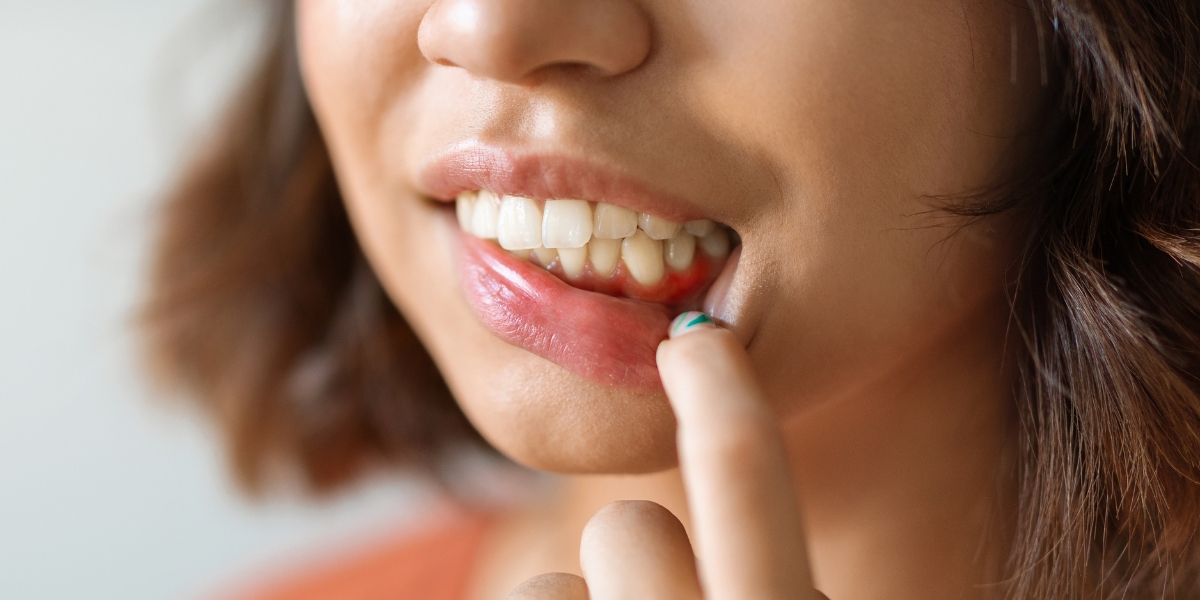

You don’t always notice a tooth injury right away. Maybe you crunched down on something unexpectedly hard or bumped your mouth, and later you start feeling a dull ache or sensitivity. That lingering discomfort could be a bruised tooth. While it’s usually not as serious as a broken tooth, it can still be uncomfortable and leave you wondering how long recovery will take.
Let’s go through it in a simple, real-life way so you know what’s normal—and what’s not.
What Does “Bruised Tooth” Actually Mean?
A bruised tooth doesn’t always show visible damage. The outside may look perfectly fine, but the inside of the tooth—where the nerves are—can get irritated from impact. Think of it like a bruise anywhere else in your body, just happening beneath the surface.
You might feel soreness when you bite down, notice sensitivity to hot or cold, or have a mild, constant ache that wasn’t there before.
How Long Does It Usually Take to Heal?
There’s no exact timeline because every injury is a little different. It depends on how much force the tooth took and how your body responds.
- Very mild cases may settle within a few days
- Moderate discomfort can last a week or two
- Stronger impact injuries might take several weeks and sometimes need dental care
If the discomfort doesn’t ease up or feels worse over time, it’s a good idea to get it checked by a dentist in Hollywood, FL to make sure nothing deeper is going on.
Signs That Deserve Attention
Most bruised teeth improve gradually, but there are certain changes that shouldn’t be ignored:
- Pain that doesn’t fade or keeps returning
- Swelling that lingers around the gum
- A tooth becoming darker than the others
- Ongoing sensitivity that doesn’t settle
- A feeling that the tooth isn’t as stable as before
These can point to internal damage, and it’s better to address it early rather than wait.
How to Take Care of It at Home
If the discomfort is manageable, a few simple adjustments can help your tooth recover more comfortably:
Avoid Pressure
Try not to chew on the sore side. Giving the tooth a break can prevent further irritation.
Cold Application
Holding a cold pack against your cheek for short periods can help with soreness and swelling.
Saltwater Rinse
A gentle rinse can help keep your mouth clean and soothe the area.
Eat Soft Foods
Choose foods that don’t require much chewing—this reduces stress on the injured tooth.
Use Pain Relief if Needed
Over-the-counter medication can help you get through the day more comfortably when used as directed.
What Recovery Feels Like
In most situations, you’ll notice the discomfort slowly fading. It doesn’t usually disappear overnight, but day by day, things start to feel more normal again. Chewing becomes easier, and the sensitivity reduces.
Sometimes, the tooth may look slightly different in color after an injury. If that doesn’t improve, it can be addressed later if needed.
When It’s Time to Get It Checked
If something feels off or your tooth isn’t improving, it’s worth having a professional take a look. A quick visit can rule out more serious issues and give you peace of mind.
Dentists can check for internal damage and guide you on whether your tooth just needs time—or treatment.
Final Thoughts
A bruised tooth can be uncomfortable, but it’s often temporary. Listening to your body, avoiding extra strain, and keeping things clean can go a long way in helping it heal.
If the discomfort sticks around or you’re unsure about what’s happening, don’t leave it to chance. Schedule an appointment with a trusted dentist in Hollywood, FL to make sure everything is healing properly and to keep your smile in good shape.
Frequently Asked Questions (FAQs)
Can a bruised tooth fix itself?
In many cases, yes. Mild injuries often improve without treatment.
Is it okay to ignore the pain?
If it goes away quickly, it’s usually fine. But ongoing pain should be checked.
Why does the tooth feel sore when I bite?
The inner part of the tooth may be irritated from impact, causing pressure sensitivity.
Will the tooth always return to normal?
Most do, especially if there’s no serious internal damage.
When should I see a dentist?
If pain, swelling, or discoloration doesn’t improve within a few days, it’s best to get it evaluated.