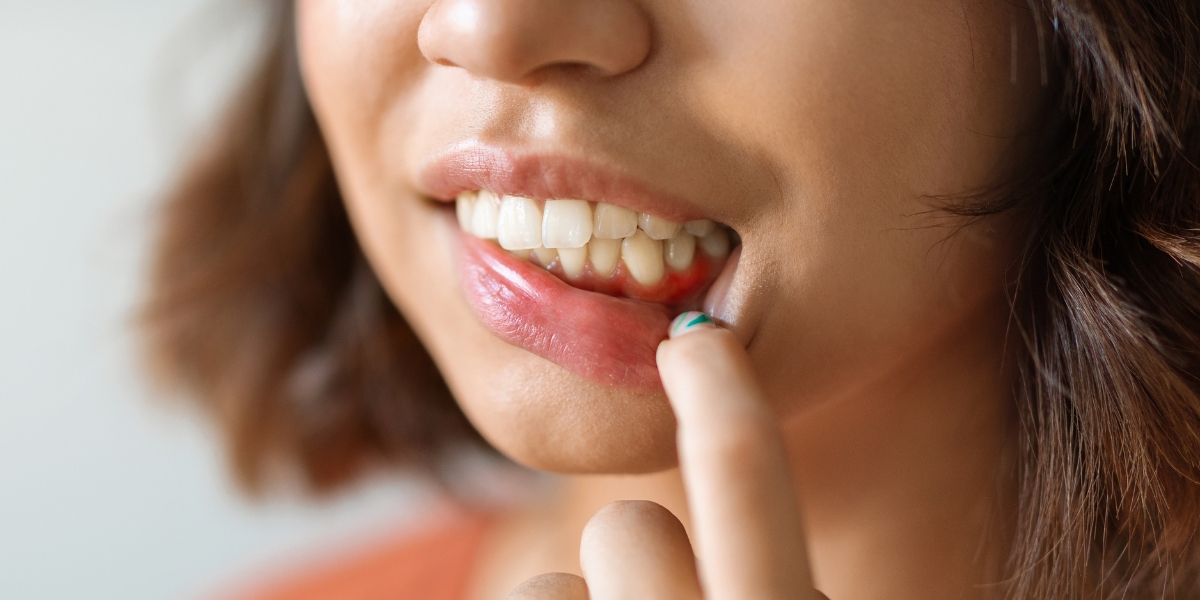


It can feel strange to notice a tooth getting darker when nothing actually hurts. Most people expect tooth problems to come with sharp pain or sensitivity, so a black tooth without discomfort often gets ignored. But changes in tooth color are usually your mouth’s way of telling you that something is happening beneath the surface.
Sometimes the change is gradual and barely noticeable at first. Other times, a tooth may suddenly look gray, brown, or almost black in certain lighting. While some discoloration is harmless, darker teeth can also be linked to hidden dental concerns that should not be left untreated.
Many people put off seeing a dentist because the tooth still feels normal. Unfortunately, waiting too long can allow the problem to become worse over time. Visiting a dentist in Hollywood for an evaluation can help determine what’s causing the discoloration before it turns into a larger dental issue.
At Parker Dentistry, patients in Hollywood receive personalized dental care focused on keeping smiles healthy, comfortable, and natural-looking. A simple exam can often reveal whether the discoloration is surface-level staining or something happening inside the tooth itself.
What Can Cause a Tooth to Turn Black?
A tooth may darken for several different reasons, and not every cause leads to pain right away.
Staining From Food, Drinks, or Smoking
Years of drinking coffee, tea, soda, or red wine can gradually leave dark stains on teeth. Smoking and tobacco use can also create deep discoloration that becomes harder to remove over time. These stains often affect the outer surface but can eventually soak deeper into the enamel.
Tooth Decay That Has Progressed
Cavities don’t always cause immediate discomfort. When decay spreads slowly, the damaged part of the tooth can become dark brown or black. Some people don’t realize anything is wrong until the color becomes noticeable.
An Old Tooth Injury
A tooth that was injured years ago may slowly change color over time. Even if the tooth seemed fine after the accident, damage to the inner tissue can reduce blood flow and lead to darkening later.
Damage Inside the Tooth
Inside every tooth is soft tissue called pulp. If that tissue becomes unhealthy or dies, the tooth may lose its natural brightness and appear gray or black. Since the nerve may no longer function properly, pain is not always present.
Worn-Out Dental Restorations
Older fillings and crowns can sometimes affect the appearance of nearby tooth structure. Metal materials used in older dental work may create dark shadows around the tooth or gumline.
Why Would a Black Tooth Not Hurt?
Not every dental problem causes immediate symptoms. In some cases, the nerve inside the tooth has already stopped responding, which means you may not feel pain even though the tooth is unhealthy. Other problems develop slowly enough that the body adapts without creating noticeable discomfort.
This is one reason routine dental visits remain important, even when your teeth seem fine.
Can the Tooth Still Be Treated?
Yes, many darkened teeth can still be treated successfully. The solution depends on what caused the color change and how much of the tooth is affected.
Treatment may include:
- Professional cleaning to remove external stains
- Tooth-colored fillings for cavities
- A crown to strengthen weakened teeth
- Root canal treatment for internal damage
- Replacing older dental work
Getting treatment sooner often means simpler care and a better long-term outcome.
Could a Black Tooth Become Infected?
It’s possible. A damaged or decayed tooth can eventually develop an infection if treatment is delayed. Some warning signs include:
- Swelling around the gums
- Ongoing bad breath
- An unpleasant taste in the mouth
- Sensitivity while chewing
- Drainage near the tooth
Even without these symptoms, it’s still smart to have the tooth checked by a dentist.
Is There Anything You Can Do at Home?
Healthy habits can help prevent staining and support stronger teeth, but home remedies usually cannot correct deeper discoloration.
Good habits include:
- Brushing morning and night
- Flossing every day
- Rinsing with water after dark beverages
- Limiting tobacco use
- Scheduling regular dental cleanings
Avoid using abrasive DIY whitening products because they may damage enamel and increase sensitivity.
Looking For a Dentist in Hollywood, FL?
If you’ve noticed a tooth looking darker than the others, it’s important to find out why before the condition worsens. The team at Parker Dentistry proudly serves patients throughout Hollywood with compassionate dental care tailored to each smile. Whether the discoloration is related to staining, decay, trauma, or aging dental work, professional treatment can help restore both your oral health and confidence.
A tooth turning black without pain may not seem urgent, but it’s often a sign that your tooth needs attention. Early care can help prevent more serious dental problems and improve the chances of saving the natural tooth. Schedule an appointment with Parker Dentistry today for trusted dental care in Hollywood.
Frequently Asked Questions
Does a black tooth always mean the tooth is dead?
No. Some teeth darken from staining or old dental work, while others may have internal damage. A dental exam is needed to know for sure.
Can a dark tooth return to its normal color?
In some situations, professional whitening or restorative treatment can improve the appearance of the tooth.
Is it safe to leave a black tooth untreated if it doesn’t hurt?
No. Lack of pain doesn’t always mean the tooth is healthy. Problems can continue getting worse silently.
Can trauma from years ago affect a tooth today?
Yes. Teeth can change color long after an injury happens, even if there were no symptoms at the time.
Will a crown fix the appearance of a black tooth?
A dental crown can improve both the strength and appearance of a damaged or darkened tooth.
How soon should I schedule a dental visit?
It’s best to schedule an evaluation as soon as you notice unusual discoloration.
Related Articles