

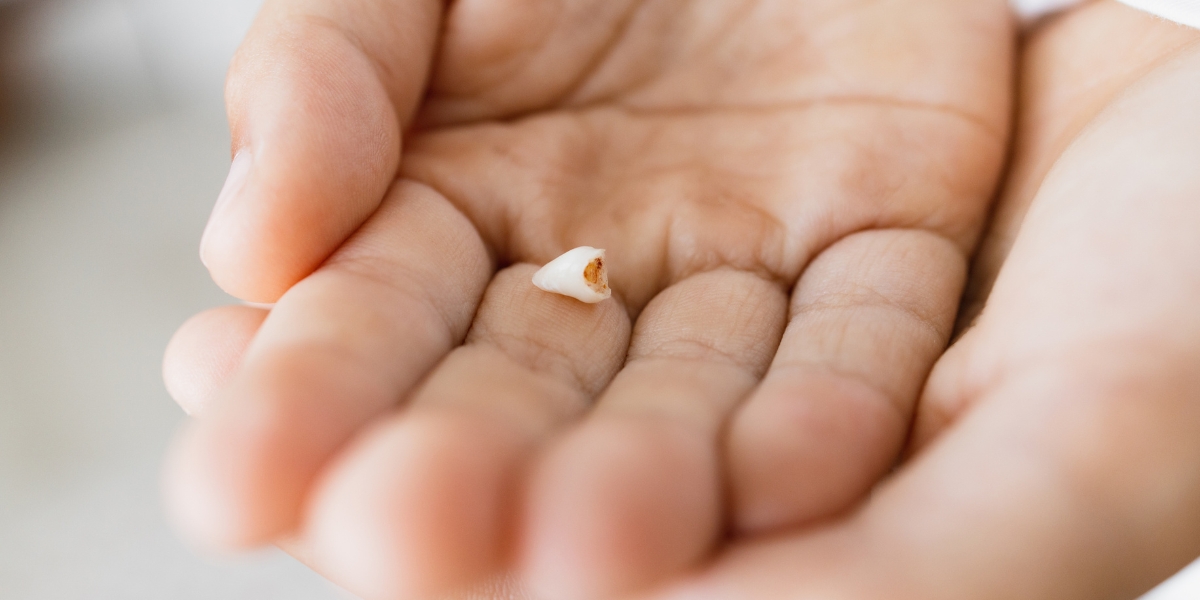
Breaking a tooth can happen when you least expect it. You might bite into something hard, experience a minor accident, or notice a crack while chewing. When part of a tooth breaks, it can cause discomfort and make simple activities like eating, speaking, or smiling feel awkward. It can also raise concerns about how the damage might affect your overall oral health.
Fortunately, dentistry today offers several ways to repair damaged teeth. Depending on the extent of the break, dentists can restore the tooth’s shape, strength, and appearance so it continues to function normally.
Getting the tooth examined as soon as possible is important. Early care helps prevent further damage and reduces the chance of infection or additional complications. Many patients choose to visit a dentist in Hollywood when they notice a cracked or partially broken tooth so the issue can be evaluated and treated promptly.
This blog will explain how to recognize a broken tooth, what can happen if part of a tooth breaks off, and the common dental treatments that may help restore it.
Signs That a Tooth May Be Broken or Chipped
Sometimes a damaged tooth is easy to see, but other times the signs may be subtle. Paying attention to changes in how your tooth feels can help you identify a possible fracture.
Noticeable Damage
A chipped corner, crack, or missing piece of the tooth is usually the most obvious sign. The size of the break can vary from a small chip to a larger fracture.
Sensitivity to Temperature
If the protective enamel layer is damaged, the inner layers of the tooth may become exposed. This can lead to sensitivity when eating hot, cold, or sugary foods.
Pain When Biting
A fractured tooth may cause discomfort when pressure is applied during chewing.
Sharp or Rough Edges
You may feel an uneven surface on the tooth when your tongue touches it.
Gum Tenderness
The gum area around the damaged tooth may feel irritated or slightly swollen.
Changes in Color
A tooth that has suffered internal damage may appear darker or slightly discolored over time.
Factors That Affect the Severity of a Tooth Fracture
Not all broken teeth require the same type of treatment. Dentists typically consider several factors when evaluating the damage, including:
- The position of the tooth in the mouth
- The size and depth of the fracture
- Whether the inner pulp or nerve is involved
- The level of pain or sensitivity experienced by the patient
These details help determine the most suitable treatment approach.
What Happens If a Piece of Your Tooth Breaks Off?
When part of a tooth breaks away, the enamel that normally protects the tooth may no longer be intact. This can leave the inner portion of the tooth more vulnerable.
As a result, you might notice sharp pain when consuming hot or cold foods. The uneven edges of the broken tooth may also irritate your tongue or the inside of your cheeks.
If the damage is not treated, bacteria can accumulate in the exposed area, increasing the risk of decay or infection. Over time, this may lead to more serious dental issues such as abscesses or the need for more complex treatment.
A broken tooth can also make chewing difficult and may affect the appearance of your smile. Because of these potential problems, seeking dental care soon after the injury is important.
Treatment Options for a Half-Broken Tooth
The treatment recommended will depend on the condition of the tooth and how much of it has been damaged. After examining the tooth, a dentist may suggest one of the following options.
Dental Bonding
For smaller chips or minor fractures, dental bonding is often a practical solution. During this procedure, a tooth-colored resin material is applied to the damaged area and shaped to match the natural tooth. A special light is used to harden the material, creating a smooth and natural-looking repair.
Dental Crowns
If a large portion of the tooth has broken, a dental crown may be needed. A crown covers the entire visible part of the tooth, helping restore its shape, durability, and function. Porcelain and ceramic crowns are frequently used because they closely resemble natural teeth.
Root Canal Treatment
If the fracture reaches the pulp of the tooth, the nerve tissue inside may become inflamed or infected. A root canal procedure removes the affected tissue, cleans the inside of the tooth, and seals it. Afterward, a crown is usually placed to strengthen the tooth.
Tooth Removal
In situations where the damage is too extensive to repair, removing the tooth may be necessary. Dentists may then discuss replacement options such as implants or bridges to restore function and appearance.
Why Prompt Treatment Is Important
Ignoring a broken tooth can allow the problem to worsen. Bacteria can enter the damaged area, increasing the likelihood of infection and further weakening the tooth.
Seeking dental care early often means the tooth can be repaired with simpler procedures. Prompt treatment can also relieve discomfort and help maintain the health of surrounding teeth.
Tips to Help Prevent Tooth Fractures
Although accidents cannot always be avoided, certain habits can help protect your teeth from damage.
- Use a mouthguard when playing sports or engaging in physical activities.
- Avoid chewing on hard substances such as ice or hard candy.
- Maintain consistent oral hygiene through brushing and flossing.
- Visit your dentist regularly for examinations and cleanings.
Healthy teeth are generally more resistant to cracking or breaking.
Final Thoughts
Experiencing a half-broken tooth can feel worrying, but many dental treatments are available to restore the tooth and protect your oral health. From bonding to crowns and other procedures, dentists can often repair the damage and help your tooth function normally again.
If you notice a crack, chip, or sudden tooth pain, seeking professional care quickly can help prevent complications and preserve your smile. Schedule an appointment today to have your tooth evaluated and receive the appropriate care.
Frequently Asked Questions
Can a partially broken tooth be saved?
Yes, in many cases a dentist can repair a broken tooth using treatments such as bonding, crowns, or other restorative procedures.
Is it safe to wait before seeing a dentist for a broken tooth?
Delaying care is not recommended because the damaged tooth can become infected or worsen over time.
What should I do immediately after breaking a tooth?
Rinse your mouth with warm water, avoid chewing on the damaged side, and contact a dental professional as soon as possible.
Will repairing a broken tooth be painful?
Most dental procedures are performed with local anesthesia, which helps keep patients comfortable during treatment.
Can a broken tooth affect other teeth?
Yes. If left untreated, a damaged tooth can alter your bite or lead to additional stress on surrounding teeth.