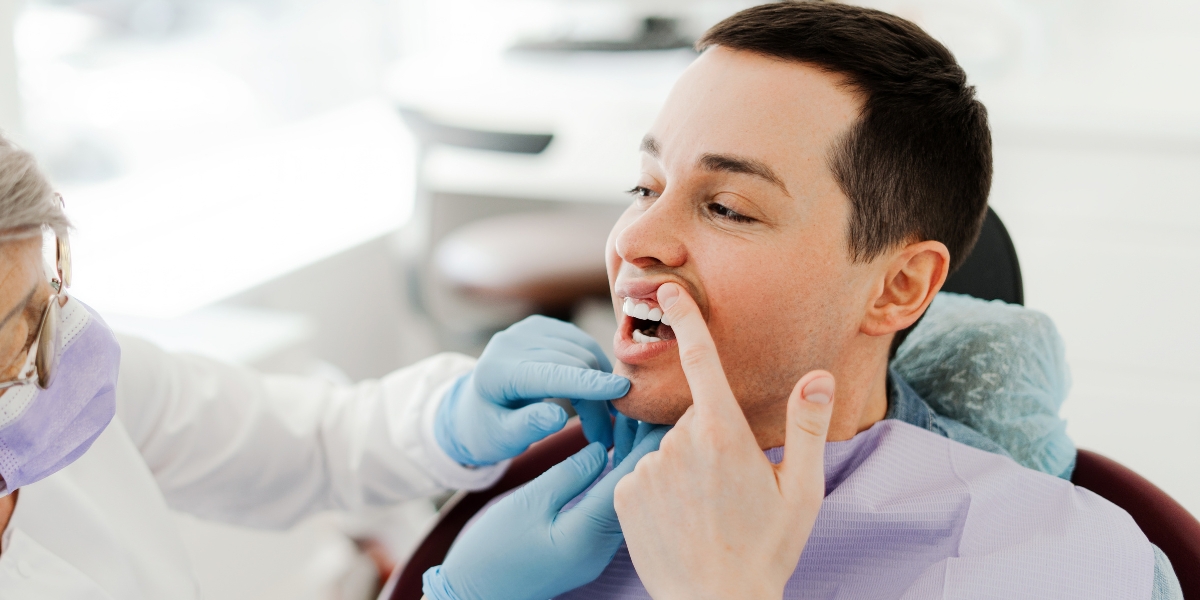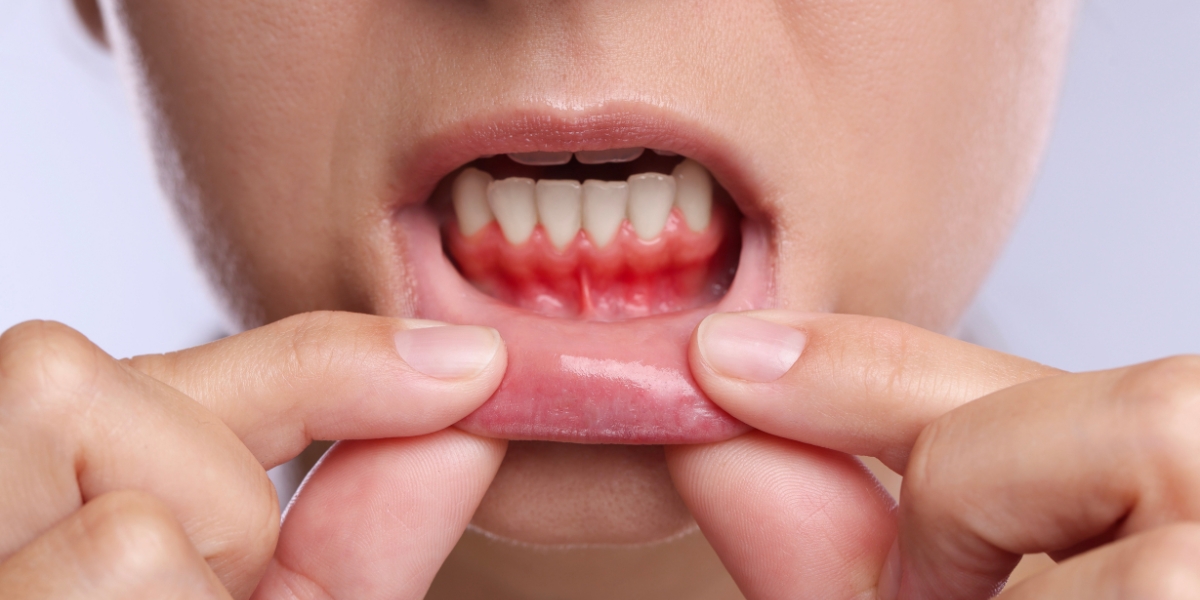


Have you noticed a tiny bump on your gum that looks a little like a pimple? Maybe it occasionally drains, disappears, and then comes back. It may not hurt much, so it can be tempting to ignore it. However, a dental fistula can be a sign that an infection is draining from a tooth or the surrounding tissues.
The good news is that dental fistulas can usually be treated once the source of the infection is identified. Knowing what causes one, what symptoms to watch for, and when to see a dentist can help you avoid leaving an underlying dental problem untreated.
For patients in Hollywood, FL, recognizing these warning signs can be an important part of taking care of their oral health.
What Is a Dental Fistula?
A dental fistula is a small channel that develops between an infected area and the surface of the mouth. It often forms when pus from an infection finds a pathway through the gum.
A fistula may look like a small raised spot or pimple on the gum. It can sometimes release pus or fluid and may disappear temporarily before returning.
One thing worth remembering is that a fistula does not always hurt. When an infection drains, pressure inside the affected area can decrease, which may make the tooth feel better. That doesn’t necessarily mean the infection has gone away.
What Causes a Dental Fistula?
The most common causes of dental fistula involve bacterial infection. Several dental problems can allow bacteria to reach deeper tissues.
Deep Tooth Decay
A cavity that isn’t treated can eventually reach the pulp inside the tooth. Once bacteria enter this area, an infection can develop and spread toward the tooth’s root.
Cracked or Damaged Teeth
A crack can give bacteria access to the inner portion of a tooth. Even a tooth that looks mostly intact from the outside can sometimes have an infection underneath the surface.
Dental Abscess
A dental abscess is a pocket of pus caused by infection. If the pressure from the infection needs to drain, the body may form a fistula that leads toward the gum.
Previous Root Canal Problems
A tooth that has previously received root canal treatment can sometimes become infected again. A new infection or bacteria that remain in an untreated area of the root canal may contribute to another abscess.
Gum or Periodontal Infection
Not every fistula begins inside the tooth. Infection involving the gums and tissues supporting a tooth can also result in drainage and swelling.
Symptoms of Dental Fistula
The signs can be easy to overlook, especially when there is little pain. Common symptoms of dental fistula include:
- A small bump or pimple on the gum
- Pus or fluid coming from the bump
- A bad taste in your mouth
- Persistent bad breath
- Tender or swollen gums
- Tooth sensitivity
- Pain when chewing or biting
- A tooth that becomes darker than surrounding teeth
- Swelling around a particular tooth
- A bump that repeatedly disappears and returns
If you notice one of these changes, avoid squeezing or popping the area. That may irritate the tissue without addressing the source of the infection.
How Is a Dental Fistula Diagnosed?
Finding the cause is more important than simply treating the visible bump.
During an examination, your Hollywood dentist may inspect the gums and affected tooth, check for decay or cracks, and test how the tooth responds to pressure or temperature. Dental X-rays may also be used to look for infection around the root or changes in the surrounding bone.
The opening on the gum doesn’t always sit directly above the infected tooth, so determining the source may require a closer examination.
Dental Fistula Treatment
The right dental fistula treatment depends on where the infection started and whether the affected tooth can be saved.
Root Canal Treatment
If the infection is inside the tooth and the tooth is restorable, root canal treatment may be recommended. The infected tissue is removed, the canals are cleaned, and the tooth is sealed.
Drainage
A dentist may drain an abscess when appropriate. This can relieve pressure, but drainage by itself may not eliminate the original source of infection.
The American Dental Association notes that antibiotics are not recommended for most localized pulpal and periapical dental conditions when appropriate dental treatment is available. Antibiotics may be considered when infection has systemic signs, such as fever or malaise.
Tooth Extraction
When a tooth is severely damaged and cannot be predictably restored, extraction may be necessary. Your dentist can discuss options for replacing the tooth after the area has healed.
Periodontal Treatment
If the problem is connected to periodontal infection, treatment may focus on removing infection and improving the health of the gums and supporting tissues.
Can a Dental Fistula Go Away on Its Own?
The bump can sometimes shrink or disappear after it drains. That can make it seem as though the problem has resolved.
Unfortunately, the underlying infection may still be present.
Think of the fistula as a drainage route rather than the actual problem. If the infected tooth or gum tissue isn’t treated, the opening may return.
What Does the Data Say About Dental Problems?
Dental infections and other tooth disorders continue to contribute to healthcare visits in the United States. CDC data show that tooth disorders accounted for an estimated 1.94 million emergency department visits per year between 2020 and 2022, or 59.4 visits per 10,000 people.
These figures are not specific to dental fistulas, but they show why persistent dental symptoms shouldn’t simply be ignored. Addressing problems earlier may help prevent them from becoming more complicated.
When Should You See a Dentist?
A recurring gum bump deserves a dental examination, even if it isn’t painful. Make an appointment if you notice drainage, swelling, an unusual taste, tooth sensitivity, or a spot that repeatedly comes back.
More serious symptoms, including facial swelling, fever, difficulty swallowing, or difficulty breathing, require prompt professional attention.
For residents of Hollywood, FL, getting a suspicious gum bump checked can help determine whether the issue is coming from the tooth, gums, or another source.
Take Care of a Persistent Gum Bump
A small bump on your gum may not look serious, but it can sometimes be your body’s way of draining an infection. Paying attention to recurring swelling, drainage, bad taste, or tooth discomfort can help you get the right care sooner.
If you’re in Hollywood, FL, and have noticed a possible dental fistula, Parker Dentistry can evaluate the area and help determine what is causing it. Rather than waiting for a recurring bump to disappear again, consider having it checked.
Schedule an appointment to discuss your symptoms and find the appropriate next step for your oral health.
Frequently Asked Questions
Is a dental fistula the same as an abscess?
No. An abscess is a collection of pus caused by infection. A fistula is a passage that can form to allow that infection to drain.
Can a dental fistula be painless?
Yes. A fistula may cause little discomfort, particularly when it is allowing infected fluid to drain. Pain level alone isn’t a reliable indication of whether an infection is present.
Will antibiotics get rid of a dental fistula?
Not necessarily. Antibiotics may be appropriate in certain circumstances, but they do not always eliminate the dental source of an infection. Treatment of the affected tooth or gum tissue may still be needed.
Can a dental fistula come back?
Yes. If the underlying infection remains, the fistula can return after temporarily disappearing.
Should I pop a bump on my gum?
No. Trying to pop or squeeze it can irritate the area and won’t address the source of the infection. A dental examination is a better approach.