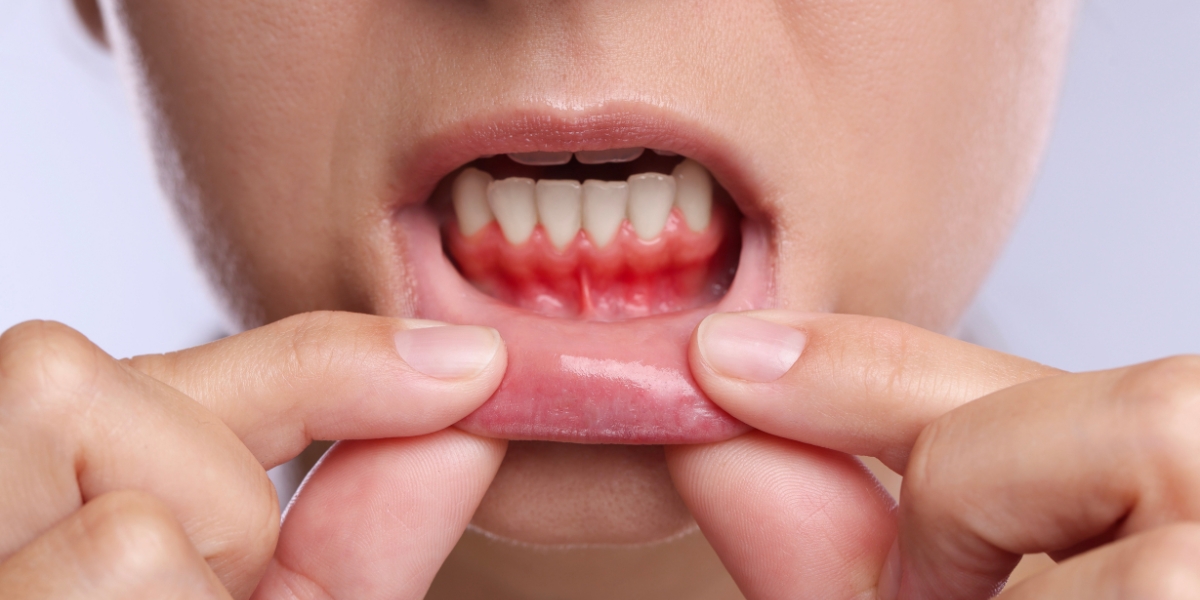

A swollen area behind your last molar can be an uncomfortable surprise, especially when a wisdom tooth is trying to emerge. The gum may feel tender when you touch it, hurt while chewing, or appear red and puffy. Sometimes the discomfort is mild and temporary, but swelling can also signal inflammation or an infection that needs attention.
Wisdom teeth are particularly likely to cause gum problems when they do not have enough room to come through normally. A tooth that has only partly emerged can leave a small section of gum covering it. That covered area can be difficult to clean, allowing tiny food particles and bacteria to collect beneath the tissue.
What Causes Swelling Around a Wisdom Tooth?
A common reason for this type of swelling is pericoronitis. The condition develops when the gum surrounding a partially erupted wisdom tooth becomes inflamed. Since the tooth is not completely visible, bacteria and debris can become lodged between the tooth and the surrounding gum.
The resulting inflammation may cause soreness, redness, swelling, or an unpleasant taste. In some cases, the infection can become more uncomfortable and affect the surrounding jaw or cheek.
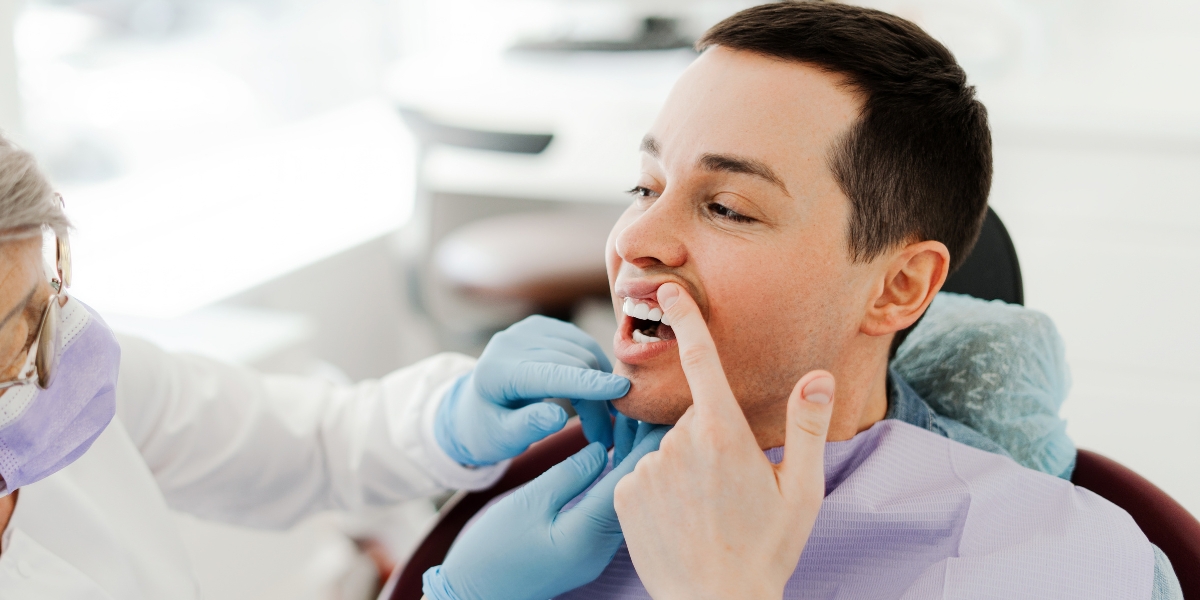
Wisdom tooth problems can be especially frustrating because the affected area is so far back in the mouth. If symptoms are interfering with eating or becoming increasingly painful, a Hollywood dentist can determine whether the gum is simply irritated or whether the tooth needs additional treatment.
Symptoms You Shouldn’t Ignore
Swelling is only one possible indication that a wisdom tooth is causing trouble. Pay attention to other changes around the area, including:
- Tenderness behind the back molar
- Red or puffy gum tissue
- Pain extending toward the jaw or cheek
- Discomfort when biting or chewing
- Trouble opening the mouth normally
- Breath that remains unpleasant despite regular brushing
- A persistent bad taste
- Increasing soreness around the emerging tooth
You do not necessarily need urgent treatment for every mild ache. However, symptoms that persist, become stronger, or occur alongside signs of infection should be professionally evaluated.
What Can You Do Until You See a Dentist?
There are several ways to make an irritated wisdom tooth area more comfortable at home. These steps are useful for temporary relief, but they cannot correct an impacted tooth or eliminate an established dental infection.
Try a Warm Saltwater Rinse
Mix salt with warm water and gently move the solution around the affected side of your mouth for about 30 seconds before spitting it out. Doing this several times a day may help soothe irritated tissue and clear away some of the material around the tooth.
Be Careful When Cleaning
Do not stop brushing because the gum is sore. Instead, clean the surrounding teeth carefully and use a gentle touch around the wisdom tooth. Keeping plaque and food debris under control can help prevent additional irritation.
Use an Appropriate Pain Reliever
If you normally can take them safely, over-the-counter options such as ibuprofen or acetaminophen may help control discomfort. Follow the directions on the medication label and avoid exceeding the recommended amount.
Remember that feeling better does not necessarily mean the underlying problem has disappeared. If swelling continues to return, arrange a dental evaluation.
How Is a Swollen Wisdom Tooth Treated?
The appropriate treatment depends on why the gum is swollen and whether the wisdom tooth is positioned normally. During an examination, a dentist can assess the tooth, surrounding tissue, and signs of infection before recommending treatment.
If food and bacteria have accumulated around the tooth, professional cleaning may help remove the buildup and calm the surrounding tissue. When an infection is present, a dentist may determine that antibiotics are appropriate.
Sometimes a flap of gum tissue is making the area difficult to clean. Removing that excess tissue may allow the tooth to remain easier to maintain and can reduce repeated inflammation in selected cases.
When the wisdom tooth is trapped, poorly positioned, or repeatedly causes infection and pain, extraction may be recommended. Removing the source of the recurring problem can prevent the same symptoms from returning.
Does Every Problematic Wisdom Tooth Need to Come Out?
Not necessarily. Some wisdom teeth erupt normally and remain healthy without causing trouble. Extraction is generally considered when the tooth creates ongoing problems or has a position that makes future complications more likely.
A dentist may discuss removal when you experience:
- Repeated episodes of swelling
- Recurring infections around the tooth
- Persistent wisdom tooth pain
- A tooth that remains trapped under the gum
- Problems keeping the area clean
- Pressure or damage involving nearby teeth
- Crowding associated with the wisdom tooth
Treating recurring symptoms rather than repeatedly ignoring them may help reduce the chance of more complicated problems later.
Why You Shouldn’t Ignore Recurring Wisdom Tooth Swelling
The effects of a problematic wisdom tooth may extend beyond the small area where you first notice the swelling. Because the back of the mouth can be difficult to clean, bacteria can affect the wisdom tooth and the molar next to it.
Poor access for brushing and flossing can increase the likelihood of plaque buildup, cavities, and gum problems. An impacted wisdom tooth can also place unwanted pressure on neighboring teeth.
Although less common, an impacted wisdom tooth may be associated with a cyst or damage to an adjacent tooth. Routine dental examinations can help identify these concerns before they become more advanced.
When Does Wisdom Tooth Swelling Need Prompt Care?
Pay closer attention when swelling is no longer limited to mild gum tenderness. Increasing pain, facial or jaw swelling, fever, difficulty opening your mouth, or problems swallowing can indicate a more significant infection.
These symptoms should not be managed solely with home remedies. Prompt professional evaluation is important, particularly when swelling appears to be spreading or symptoms are getting worse.
Swollen gums near a wisdom tooth can have a simple cause or point to a problem that needs treatment, so persistent or recurring symptoms should not be ignored. Schedule an appointment with Parker Dentistry for an evaluation of your wisdom tooth and surrounding gums.
Frequently Asked Questions
How quickly can swollen wisdom tooth gums improve?
It depends on the cause. Minor irritation may settle after a few days, while inflammation related to an infection may continue until the underlying problem is treated.
Can I treat a swollen wisdom tooth at home?
Home measures such as warm saltwater rinses, careful cleaning, and appropriate over-the-counter pain relief may make you more comfortable. However, they do not address an impacted tooth or reliably eliminate an infection.
Why does my wisdom tooth gum keep swelling?
Repeated swelling may occur when a partially erupted or impacted tooth continually traps food and bacteria. Recurring inflammation can be a reason to have the wisdom tooth professionally evaluated.
Is a swollen gum around a wisdom tooth dangerous?
Swelling does not always indicate a serious condition, but an untreated infection can become more severe. Fever, facial swelling, increasing pain, difficulty opening the mouth, or trouble swallowing are signs that you should seek prompt care.
Can an impacted wisdom tooth damage other teeth?
It can. Depending on its position, an impacted wisdom tooth may put pressure on an adjacent tooth or make the surrounding area more difficult to keep clean. This can contribute to dental problems affecting nearby teeth.
Will every wisdom tooth eventually need to be extracted?
No. Some wisdom teeth remain healthy and cause no significant problems. A dentist may recommend leaving one in place when it is properly positioned, functional, and maintainable. Removal may be considered when recurring infection, impaction, pain, or damage becomes an issue.
What happens if I ignore a swollen wisdom tooth?
The swelling may temporarily decrease and then return. If an infection is responsible, leaving it untreated can allow the problem to progress and potentially affect nearby tissues or teeth. A dental examination can determine whether further treatment is needed.