

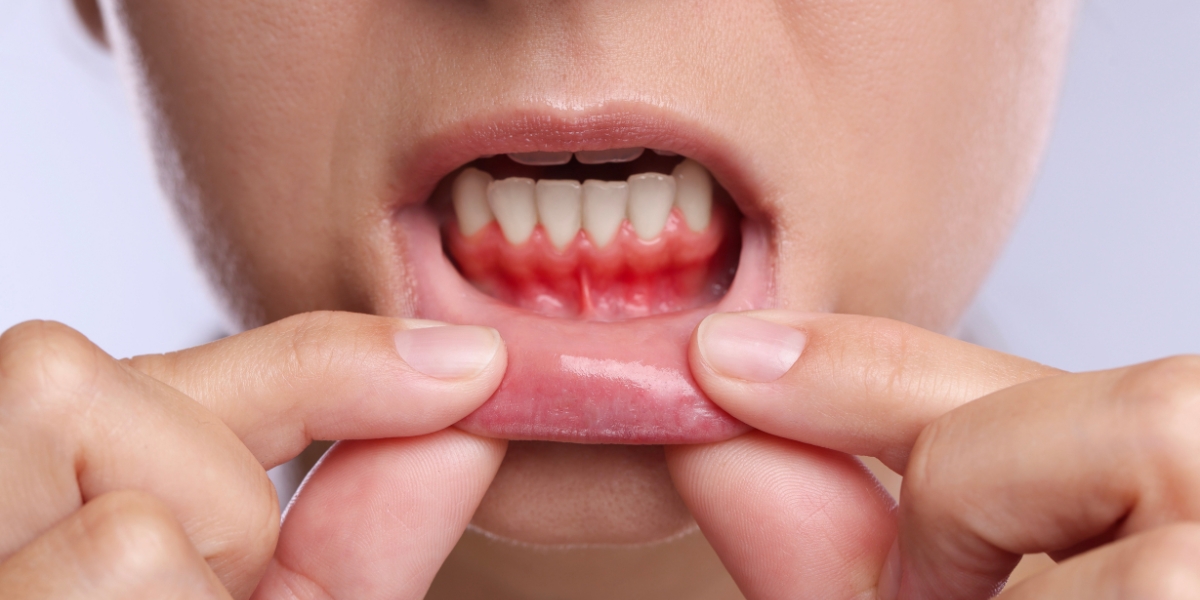
Seeing a little blood when you brush or floss may not seem like a big deal. You might assume that you brushed too hard or that the bleeding will go away on its own. But if your gums bleed regularly, it is worth paying attention to what your mouth is trying to tell you. Healthy gums should not consistently bleed during everyday oral care.
Bleeding gums are often connected to plaque buildup and gum inflammation. When plaque stays along the gumline, the bacteria within it can irritate the surrounding tissue. Over time, this irritation can cause the gums to become red, swollen, tender, and prone to bleeding. Without proper care, the problem may become more serious and affect the structures that keep your teeth firmly in place.
That is why recurring gum bleeding should never be treated as something you simply have to live with. Finding the cause early can make treatment easier and may help prevent more serious oral health problems. If you have noticed frequent bleeding, visiting a dentist in Hollywood, FL can help determine what is happening and whether your gums need professional care.
Bleeding Can Be an Early Warning Sign of Gum Disease
One of the most common reasons gums bleed is inflammation caused by plaque. This early form of gum disease is known as gingivitis. Along with bleeding, you may notice redness, swelling, tenderness, or a change in the appearance of your gums.
Gingivitis can often be managed when it is caught early. A professional cleaning can remove hardened deposits that brushing cannot eliminate, while consistent brushing and flossing can help control plaque at home. Ignoring the symptoms, however, may allow inflammation to progress into periodontitis, which can cause lasting damage to the tissues supporting your teeth.
Bleeding Gums Can Go Hand in Hand With Bad Breath
Persistent bad breath is another symptom you should not brush aside, especially when it occurs with bleeding gums. Bacteria can collect around the teeth and gumline, producing unpleasant odors. When plaque and tartar build up in areas that are difficult to clean, the problem can continue even when you brush regularly.
If your breath remains unpleasant despite good oral hygiene, there may be more going on than the foods you eat or your brushing routine. A dental evaluation can help identify whether gum inflammation, plaque buildup, or another oral health concern is contributing to the problem.
Untreated Gum Problems Can Put Your Teeth at Risk
Your gums and the bone underneath them provide important support for your teeth. When gum disease progresses, bacteria and inflammation can begin affecting these supporting structures. The gums may pull away from the teeth, creating spaces where bacteria can collect more easily.
As the condition advances, the supporting bone can deteriorate. This may cause teeth to become loose, shift position, or become increasingly difficult to maintain. In severe cases, tooth loss can occur.
Taking action when you first notice bleeding gives you a better opportunity to protect the foundation of your smile.
Other Symptoms May Be Hiding Behind the Bleeding
Bleeding gums may be one of several signs that your gums need attention. Look for other changes in your mouth, such as:
- Red or swollen gums
- Tenderness when touching the gums
- Persistent bad breath
- Gum recession
- Pus around the gumline
- Increased tooth sensitivity
- Loose or shifting teeth
- Pain when chewing
- Changes in how your teeth come together
You do not need to have every symptom for gum disease to be present. Even recurring bleeding by itself is a good reason to discuss your gums with a dental professional.
Early Treatment May Help Prevent More Serious Damage
Perhaps the biggest reason to take bleeding gums seriously is that early care may prevent a relatively manageable problem from becoming much more complicated. Treatment depends on the condition of your gums and how far the disease has progressed.
For early gum inflammation, professional cleanings and improved home care may be enough to get the gums back on track. More advanced periodontal problems may require procedures such as scaling and root planing, which removes plaque and tartar from areas below the gumline and smooths the root surfaces.
Patients with significant gum recession may benefit from gum grafting. In certain situations, regenerative procedures can help address damage involving the bone or other supporting tissues. If tooth loss has already occurred, dental implants may be an option for replacing missing teeth after the health of the surrounding tissues has been evaluated.
The important point is that there is no single treatment for every patient. A dental professional can determine what is causing your bleeding and recommend care based on your specific needs.
When Should You Have Bleeding Gums Checked?
Occasional bleeding can sometimes result from brushing too aggressively, using improper flossing techniques, or irritating the gums. However, bleeding that happens repeatedly should not be ignored.
Make an appointment if your gums bleed frequently or if the bleeding occurs along with swelling, persistent bad breath, gum recession, tooth sensitivity, loose teeth, or discomfort. Getting an evaluation early can help identify the problem before it affects the deeper tissues around your teeth.
Do Not Ignore What Your Gums Are Telling You
Bleeding gums may look like a small problem, but they can sometimes be your first indication that something needs attention. Paying attention to the warning signs, maintaining good daily oral hygiene, and getting regular dental care can help protect your gums and the teeth they support.
At Parker Dentistry, patients can receive an evaluation to determine why their gums are bleeding and what type of care may be appropriate. Addressing gum problems early can make a meaningful difference in protecting your smile and avoiding more complicated treatment later.
Schedule an appointment today to have your bleeding gums evaluated and take the next step toward healthier gums.
FAQs About Bleeding Gums
Is bleeding while brushing normal?
Regular bleeding is not something you should consider normal. It may indicate gum irritation, plaque buildup, gingivitis, or another oral health issue. If it happens often, have your gums evaluated.
Can gingivitis cause my gums to bleed?
Yes. Bleeding during brushing or flossing is a common sign of gingivitis. Redness, swelling, and tenderness may also occur. Treating gingivitis early can help prevent it from developing into more advanced gum disease.
Can bleeding gums eventually cause tooth loss?
Bleeding itself does not cause a tooth to fall out. However, persistent bleeding can be a sign of periodontal disease. If that disease progresses and damages the bone and tissues supporting your teeth, tooth mobility and tooth loss may result.
How can I keep my gums from bleeding?
Brush twice a day with a soft-bristled toothbrush, clean between your teeth every day, and maintain regular dental checkups. If your gums continue to bleed despite these habits, professional evaluation is important.
Does gum disease cause bad breath?
It can. Bacteria associated with plaque and gum disease can contribute to persistent unpleasant breath. If bad breath continues despite good oral hygiene, talk with your dentist.
What happens if I ignore bleeding gums?
Ignoring recurring bleeding may allow gum inflammation to worsen. Advanced periodontal disease can damage the tissues and bone supporting your teeth, increasing the risk of recession, loose teeth, and tooth loss.