
Veneers can make a noticeable difference in your smile. They can hide stubborn stains, small chips, uneven teeth, and minor gaps, giving your smile a more balanced appearance. But what if you suddenly notice that a tooth underneath a veneer looks gray, brown, or even black?
That can be alarming, especially when the veneer itself appears perfectly normal. A change in color underneath a veneer should not automatically be considered a cosmetic issue. Sometimes, it can be a sign that something is happening to the natural tooth beneath it.
The good news is that darkening does not always mean the veneer has failed. There are several possible causes, and a dental examination can help determine what is really going on. If you are considering veneers Hollywood, knowing the possible warning signs can help you take better care of your smile.
What Are Veneers?
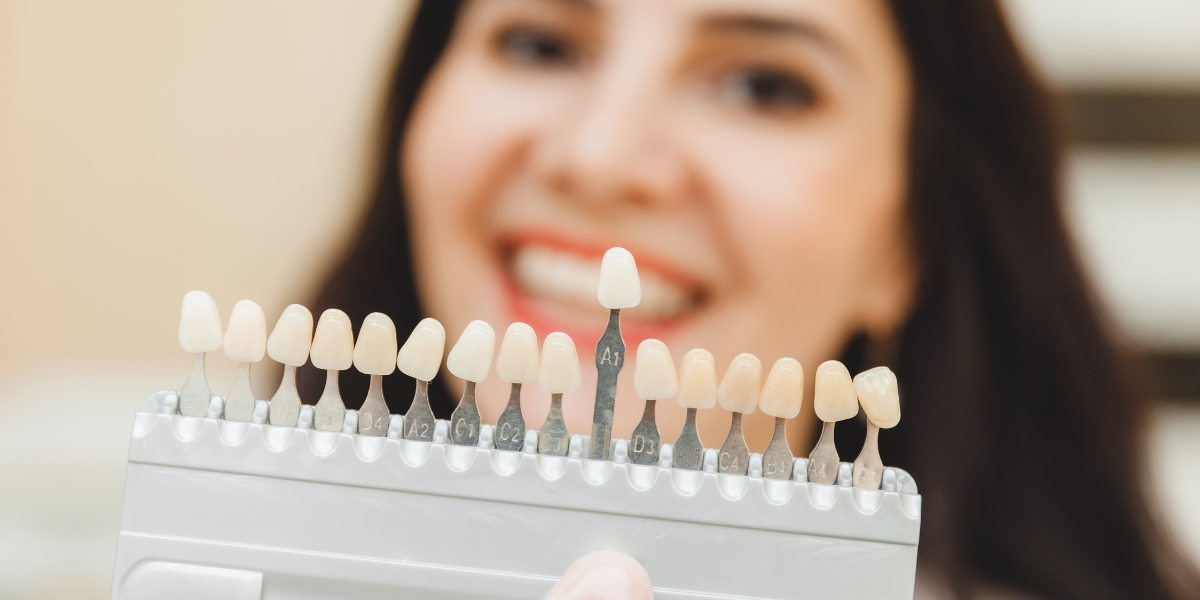
Dental veneers are thin coverings placed over the front of teeth to improve their appearance. They are usually made from porcelain or composite resin and are custom-designed to match the surrounding teeth.
People commonly choose veneers to improve:
- Discolored or stained teeth
- Small chips
- Slight gaps
- Uneven tooth shapes
- Worn edges
- Minor cosmetic imperfections
Although veneers cover the visible part of a tooth, they do not replace the natural tooth. The tooth underneath still needs regular brushing, flossing, fluoride protection, and professional dental care.
Why Does a Tooth Turn Black Under a Veneer?
There is no single reason a tooth may become dark beneath a veneer. The cause can range from simple staining to a problem that requires treatment.
Tooth Decay
Decay is one of the concerns a dentist will want to rule out. If plaque and bacteria collect around the edge of a veneer, they can eventually affect the exposed natural tooth.
Decay may cause the tooth to become brown, gray, or black. You may also notice sensitivity, discomfort, bad breath, or a bad taste, although cavities do not always cause obvious symptoms.
Damage to the Tooth’s Nerve
A tooth that has experienced trauma or severe decay can develop damage inside the tooth. If the pulp or nerve becomes severely injured or dies, the tooth may gradually turn darker.
This can happen even if the tooth looked healthy when the veneer was originally placed. A previous accident, crack, or deep dental procedure may sometimes be connected to the color change.
A Problem With the Veneer’s Bond
A properly fitted veneer should sit closely against the tooth. If the bond becomes damaged or a gap develops, bacteria and food particles can find their way into the area.
Over time, this may contribute to staining or decay. A loose veneer, visible gap, or change around its edge is a reason to have the restoration checked.
Staining Near the Veneer
Not every dark area means the tooth itself has turned black. Staining can sometimes develop around the edges of a veneer, especially near the gumline.
Coffee, tea, tobacco, red wine, and dark-colored foods can contribute to staining. Plaque buildup can make the area look even darker.
Changes in a Previously Injured Tooth
A tooth that was injured years ago may change color long after the original incident. Internal damage can sometimes progress slowly, so the discoloration may not appear until much later.
For this reason, telling your dentist about previous dental injuries can be helpful when evaluating a discolored tooth.
When Should You See a Dentist?
If you notice a tooth becoming darker underneath a veneer, it is best not to ignore it. Make an appointment if you experience:
- A sudden or gradual color change
- Tooth sensitivity
- Pain when biting
- Swelling near the tooth
- A loose or cracked veneer
- A noticeable gap around the veneer
- Persistent bad breath or an unpleasant taste
A cosmetic dentist Hollywood patients visit for smile concerns can examine the veneer and the natural tooth underneath it. Depending on the findings, treatment may involve monitoring the tooth, treating decay, addressing an infection, or replacing the veneer.
How Can You Prevent Problems Under Veneers?
Taking care of veneers is not complicated, but consistency matters.
Brush twice a day: Use a soft-bristled toothbrush and fluoride toothpaste. Brush gently around the gumline and veneer edges.
Floss daily: Flossing helps remove plaque and food particles from between teeth and around the margins of your veneers.
Be careful with hard foods: Avoid chewing ice, pens, fingernails, or other hard objects. These habits can put unnecessary pressure on veneers.
Limit staining habits: Coffee, tea, tobacco, and certain foods can stain the areas surrounding veneers even when the veneer material itself is stain-resistant.
Keep regular dental visits: Routine examinations allow your dentist to check the veneers, gums, and natural teeth for early signs of trouble.
Can a Black Tooth Under a Veneer Be Treated?
Treatment depends entirely on the cause. If decay is present, the damaged portion of the tooth may need to be restored. If the tooth’s nerve is infected or no longer healthy, root canal treatment may be necessary.
If the veneer itself is damaged or no longer fits properly, replacing it may be recommended. The important thing is to address the underlying problem instead of simply covering the dark area with another veneer.
Keep Your Veneers and Natural Teeth Healthy
A dark tooth beneath a veneer can be unsettling, but it does not necessarily mean you have lost your restoration. The important step is finding out why the discoloration has appeared.
Good oral hygiene, regular dental visits, and avoiding habits that can damage veneers can help protect both your cosmetic investment and the natural teeth underneath it. If you notice a sudden change in color, discomfort, or a problem with the veneer, having it checked early can prevent a small concern from becoming a bigger one.
Parker Dentistry provides personalized cosmetic dental care to help patients maintain healthy, confident smiles. Schedule an appointment to have your veneer or discolored tooth evaluated.
Frequently Asked Questions
Can a tooth decay underneath a veneer?
Yes. Veneers do not cover the entire tooth, and the natural tooth can still develop decay, particularly around the edges if plaque accumulates.
Is a black tooth under a veneer always a serious problem?
Not necessarily, but it should be examined. Darkening can result from staining, internal tooth changes, decay, or other issues that cannot be diagnosed by appearance alone.
Can whitening fix a dark tooth under a veneer?
Whitening generally cannot correct discoloration caused by internal tooth damage or decay. Also, porcelain veneers do not respond to traditional whitening treatments in the same way natural teeth do.
Can a veneer hide an infected tooth?
A veneer may cover the visible portion of a tooth, but it does not prevent or treat an infection inside the tooth. If the tooth develops an infection, appropriate dental treatment is necessary.
How long can veneers last?
With proper care and good oral hygiene, veneers can last for many years. Their lifespan varies depending on the material, placement, bite, habits, and overall dental care.