
Have you ever looked in the mirror and focused on the space between your teeth before noticing anything else about your smile? A gap may be a small feature, but if it bothers you, it can affect how comfortable you feel when smiling, talking, or taking pictures.
If you’re wondering how to fix gapped teeth, you have several options. The right treatment depends on why the gap is there, how large it is, the condition of your teeth and gums, and the type of result you want.
A gap between teeth is often called a diastema. It can occur naturally because of tooth size, jaw structure, tooth position, missing teeth, or other factors. Older U.S. national data found that a gap of at least 2 mm between the upper front teeth occurred in about 5% of adults ages 18 to 50. Because that study used data from 1988–1991, the figure should be viewed as historical rather than a current estimate.
The good news is that correcting gapped teeth doesn’t always require the same type of treatment for everyone.
What Causes a Gap Between Teeth?
Before deciding how to close gaps in teeth, it’s important to understand what’s causing them.
Some people naturally have extra space between their teeth because their teeth and jaw are different sizes. In other cases, teeth may have shifted, a tooth may be missing, or the shape of the teeth may make the space more noticeable.
A gap that suddenly appears or becomes larger can be different from a gap you’ve had for years. Changes in the gums and supporting structures can sometimes affect tooth position, so a dental examination is worthwhile before choosing a cosmetic treatment.
5 Ways to Fix Gapped Teeth
Dental Bonding
Dental bonding can be a simple option for smaller spaces.
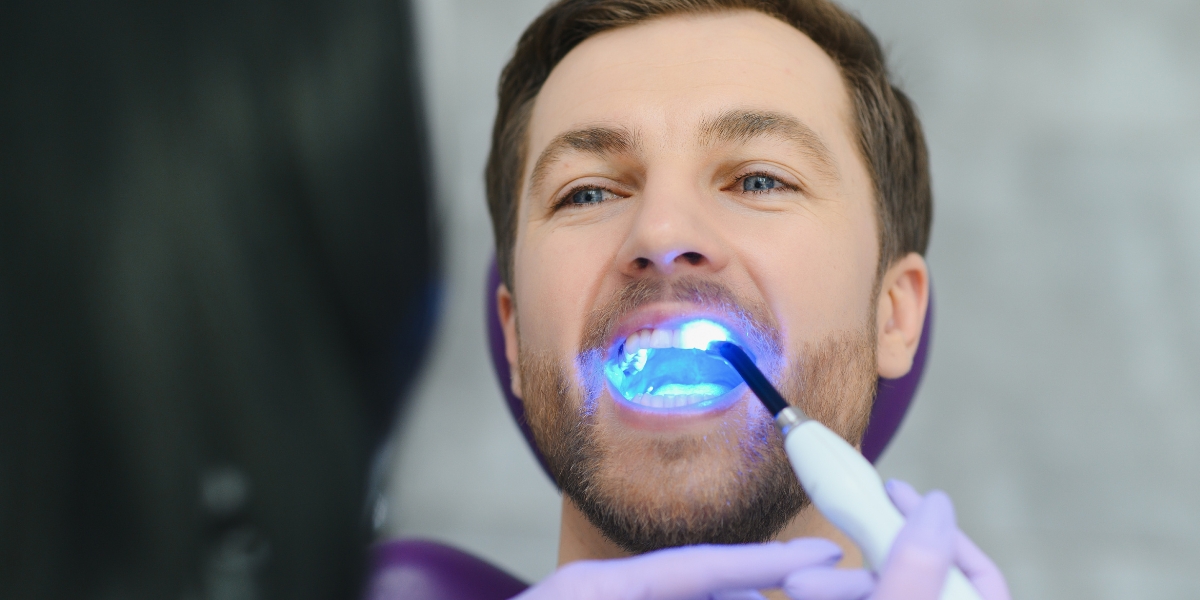
With bonding, a tooth-colored composite material is applied to the sides of the teeth and shaped to reduce the visible gap. The material is then hardened and polished so it blends with the surrounding tooth structure.
One reason patients consider bonding is that it can change the appearance of a small gap without moving the teeth. It may also be useful when a tooth is slightly undersized or has an uneven shape.
However, bonding isn’t suitable for every type of spacing. Your dentist will consider the size of the gap, your bite, and the condition of your teeth before recommending it.
Veneers
Veneers for gapped teeth may be considered when you want to address spacing while also changing the appearance of your teeth.
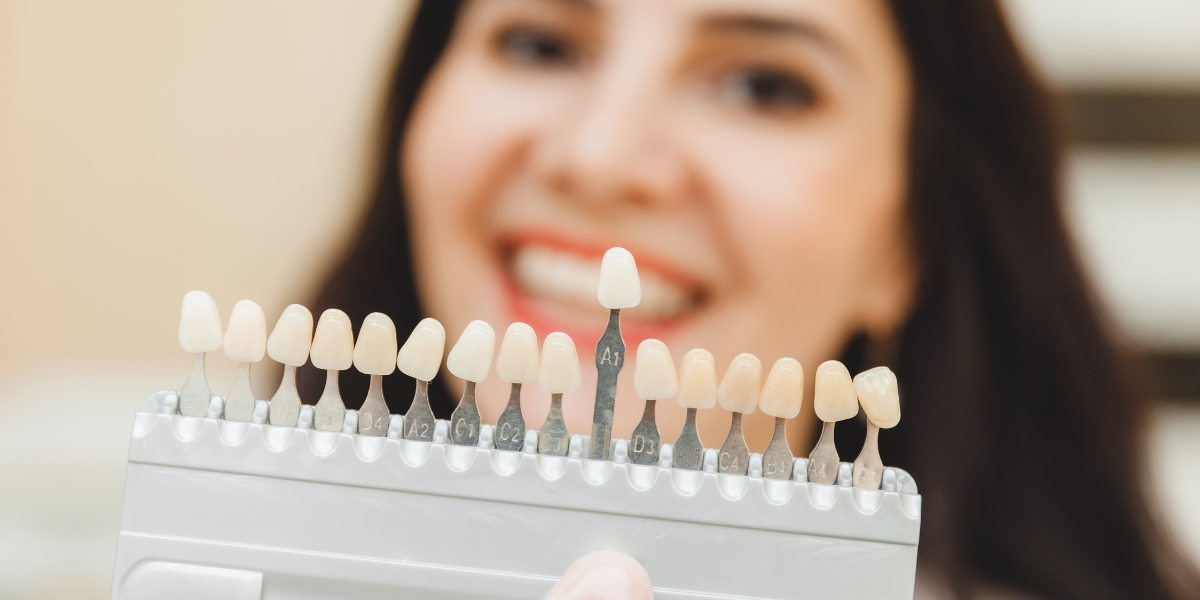
Veneers are thin restorations designed to cover the visible surfaces of teeth. They can alter the shape, proportion, and color of the teeth, which may make them useful for people who have several cosmetic concerns.
For example, someone with a small gap and unevenly shaped front teeth may want to discuss whether veneers could provide a more balanced appearance.
Veneers aren’t simply a way to cover every gap, though. The health of your teeth and gums, your bite, and the amount of tooth structure involved all matter when planning treatment.
Invisalign
If the gap is caused by tooth positioning, Invisalign may be an option.
Clear aligners gradually move teeth toward planned positions. Unlike bonding, which changes the shape of a tooth, aligners work by changing tooth alignment.
This can be particularly relevant when you have several spaces or other alignment concerns at the same time.
The American Dental Association notes that orthodontic treatment can address tooth and bite alignment problems, but treatment should be planned and monitored by a dental professional.
Dental Crowns
Dental crowns may have a role when a tooth needs significant restoration in addition to cosmetic improvement.
A crown covers the tooth and can restore its shape and function. However, crowns generally aren’t the first choice for a small cosmetic gap when the teeth are otherwise healthy.
If a tooth is weakened, heavily damaged, or already requires a crown for restorative reasons, your dentist may consider whether its shape and size can also be improved as part of the treatment.
Combining Cosmetic and Orthodontic Treatment
Sometimes, one procedure isn’t enough to achieve the result you want.
For example, you may have several spaces along with uneven tooth shapes or discoloration. In that situation, orthodontic treatment might first improve tooth positions, followed by bonding or another cosmetic procedure to refine the appearance.
This approach focuses on the whole smile rather than simply hiding one gap.
How to Choose the Right Gapped Teeth Treatment
There isn’t one universal solution for every patient. When considering dental treatments for gaps, think about these factors:
- The size of the gap: Smaller spaces may sometimes be treated with bonding, while larger or multiple gaps may require tooth movement.
- The cause: Treatment is more predictable when the underlying reason for the spacing is understood.
- Your overall oral health: Decay or gum problems may need attention before cosmetic treatment.
- Your desired result: If you also want to change tooth color or shape, veneers may be worth discussing.
- Your bite and alignment: Moving teeth may make more sense when spacing is part of a broader alignment issue.
For patients considering cosmetic dentistry in Hollywood, discussing these factors with Parker Dentistry can help you understand which approach may fit your smile and goals.
Can Gapped Teeth Cause Dental Problems?
Not every gap needs to be closed. Some spaces are simply a natural part of someone’s smile.
However, a gap that changes over time deserves attention. Tooth movement can sometimes be associated with changes in the gums or supporting tissues. That’s why an examination is useful even when your main concern is appearance.
It’s also important to avoid trying to close a gap yourself with unsupervised dental products. The ADA cautions that direct-to-consumer dental treatments can carry risks when a dentist isn’t involved in diagnosis and treatment planning.
Find the Right Approach for Your Smile
Knowing how to fix gapped teeth is only the first step. The best option depends on what is causing your spacing and how much you want to change.
Whether you’re considering dental bonding, veneers, Invisalign, crowns, or a combination of treatments, a personalized evaluation can help you choose an approach that looks natural and fits your oral health needs. If you’re in Hollywood or nearby South Florida communities, Parker Dentistry can discuss your options for correcting gapped teeth.
Schedule an appointment to talk about your smile goals and find out which treatment may be right for you.
Frequently Asked Questions
Can a small gap between teeth be fixed without braces?
Yes. Depending on the cause and size of the space, dental bonding or veneers may be options. If the teeth themselves need to be moved, clear aligners or another orthodontic approach may be considered.
Is dental bonding a good option for gapped teeth?
Bonding can work well for certain small gaps, especially when the teeth are healthy and properly positioned. Your dentist can determine whether adding composite material would produce a natural-looking result.
Can Invisalign close a gap between teeth?
Invisalign can correct certain types of spacing by gradually moving the teeth. Whether they’re appropriate depends on your tooth positions, bite, oral health, and treatment goals.
Are veneers or bonding better for closing a gap?
Neither is automatically better. Bonding may be suitable for a smaller change, while veneers can address spacing along with tooth shape and color. Your individual needs should guide the decision.
Can a gap come back after treatment?
Teeth can shift over time, so there is always a possibility of spacing changing again. If orthodontic treatment is used, following the recommended retention plan can help maintain the result.