
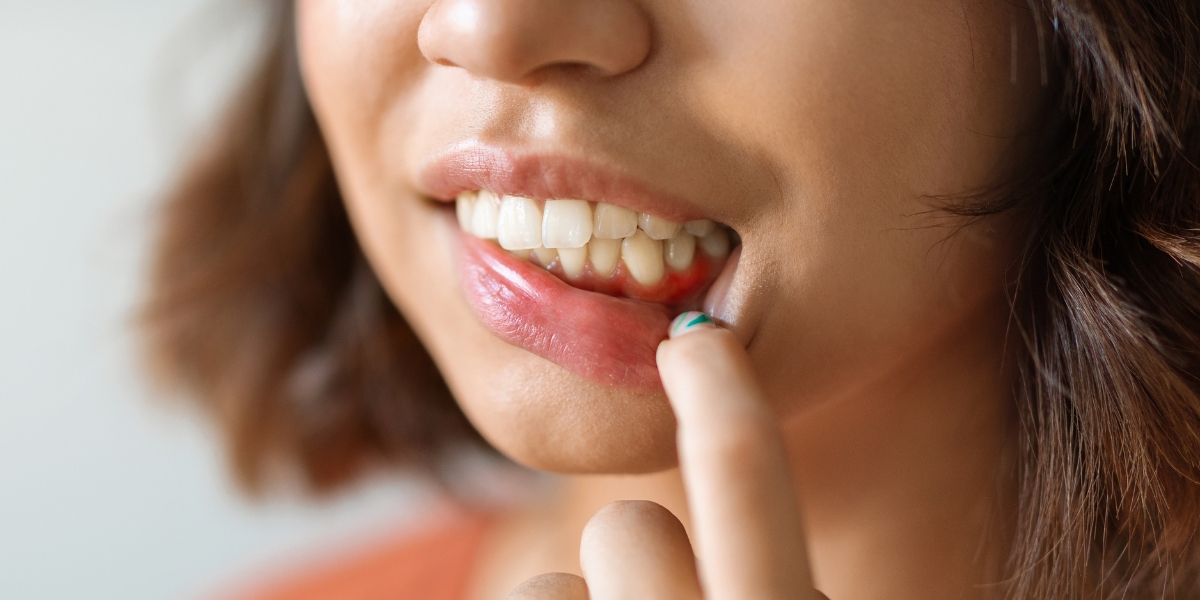
You might first notice gum recession when your teeth start to look slightly longer or when a sip of something cold suddenly feels uncomfortable. It’s a subtle change at first, but over time, it can affect both how your smile looks and how your teeth feel.
With so many DIY remedies floating around online, it’s easy to believe there’s a simple fix sitting in your kitchen. But gum recession isn’t that straightforward. Before trying anything on your own, it helps to get guidance from a trusted dentist Hollywood, who can explain what’s really happening and what your gums actually need.
What Leads to Gum Recession?
Gum tissue doesn’t pull back all at once—it usually happens gradually due to daily habits or underlying issues. Some of the most common reasons include:
- Gum infections: When plaque builds up, it can irritate and damage the gums over time
- Heavy-handed brushing: Scrubbing too hard can slowly wear away gum tissue
- Family history: Some people are simply more prone to thinner or sensitive gums
- Irregular oral care: Skipping brushing or flossing allows bacteria to thrive near the gumline
Understanding the cause is key because it helps you prevent things from getting worse.
Let’s Talk About the Myths
There’s no shortage of advice when it comes to “natural” fixes—but not all of it holds up. Here’s a closer look at a few common claims.
“Salt water can bring gums back”
Salt water rinses can feel soothing and may help reduce bacteria, but they won’t rebuild lost gum tissue. They’re helpful for comfort—not correction.
“The harder you brush, the cleaner your teeth”
This is a common mistake. Brushing too hard can actually speed up gum damage. A gentle technique is far safer and more effective.
“Baking soda can repair gums”
While baking soda can freshen breath and clean surfaces, it doesn’t restore gum tissue. Overusing it may even irritate sensitive areas.
“Essential oils can regrow gums”
Some oils help control bacteria, but they don’t have the ability to regenerate gum tissue. They can support your routine—but not replace proper care.
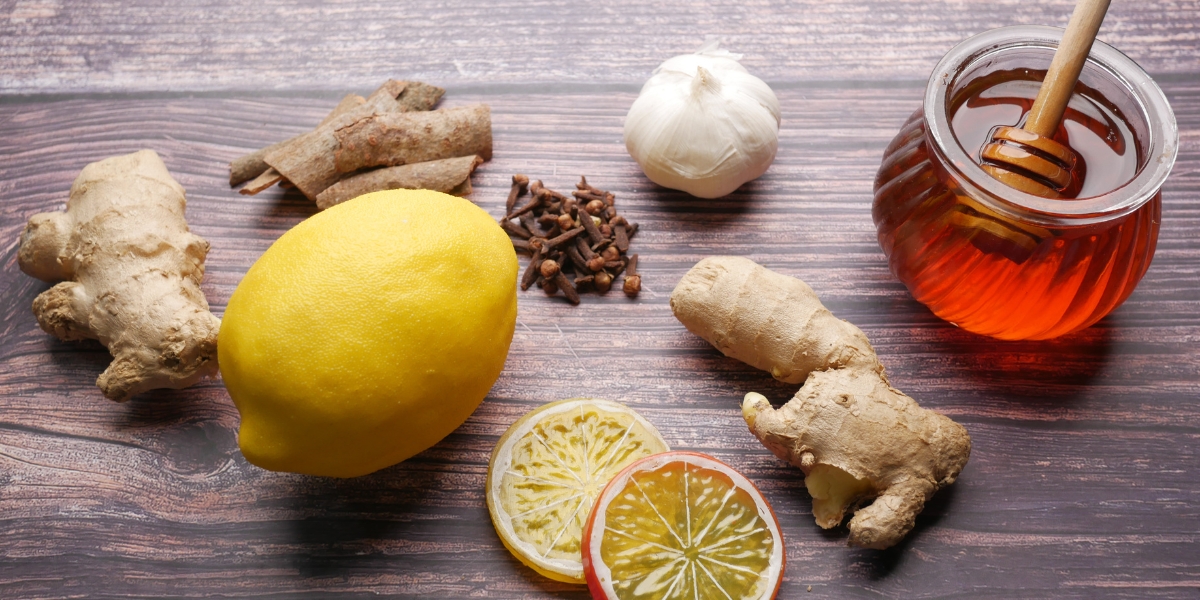
“Lemon juice strengthens gums”
It’s true that vitamin C is good for your body, but applying lemon juice directly to your teeth exposes them to acid. That can weaken enamel and irritate your gums instead.
What Actually Makes a Difference at Home?
While you can’t reverse gum recession on your own, you can create an environment that helps protect your gums and prevent further damage.
Keep Your Routine Gentle and Consistent
- Brush twice a day using a soft-bristled toothbrush
- Use light pressure instead of scrubbing
- Floss daily to clean along the gumline
Pick Products That Support Gum Health
- Fluoride toothpaste helps protect teeth from decay
- Alcohol-free mouthwash is a better option if your gums feel sensitive
Focus on What You Eat
- Add foods rich in vitamin C, like berries, citrus fruits, and leafy greens
- Include calcium sources such as milk, almonds, and yogurt
- Cut down on sugary snacks that feed harmful bacteria
Drink More Water
Water helps rinse away food particles and supports saliva, which naturally protects your mouth.
Stay Away From Tobacco
Tobacco use can make gum problems worse and slow down healing, making recession harder to manage.
Use Natural Options Carefully
- Aloe vera may help soothe irritated gums
- Green tea contains compounds that support oral health
When It’s Time to Get Professional Help
There’s a limit to what home care can do. If your gums continue to pull back, or if you’re dealing with ongoing sensitivity or bleeding, it’s time to have it checked.
A dental visit might include:
- Deep cleaning to remove plaque beneath the gumline
- Gum grafting if tissue loss is more advanced
- Routine checkups to keep everything under control
Early attention can prevent more serious issues down the line.
A Simple Way to Think About It
Gum recession isn’t something that can be reversed with home remedies alone. But with the right habits and timely care, you can slow it down and protect your smile.
Pay attention to small changes—they often signal something bigger. Taking action early gives you the best chance of keeping your gums healthy and your smile strong. Schedule an appointment today and take the first step toward healthier gums.
Frequently Asked Questions
Can gums grow back naturally once they recede?
No, lost gum tissue doesn’t regenerate on its own. Professional treatments are usually needed to restore it.
Does switching to a soft toothbrush really help?
Yes, it can prevent further damage. Soft bristles clean effectively while being gentle on your gums.
Are home remedies enough to treat gum recession?
They can help manage symptoms, but they won’t fix the underlying issue. Professional care is often necessary.
What are early signs of gum recession?
You may notice increased sensitivity, teeth appearing longer, or slight changes in your gumline.
Can lifestyle habits affect gum health?
Absolutely. Diet, hydration, stress, and tobacco use all play a role in maintaining healthy gums.