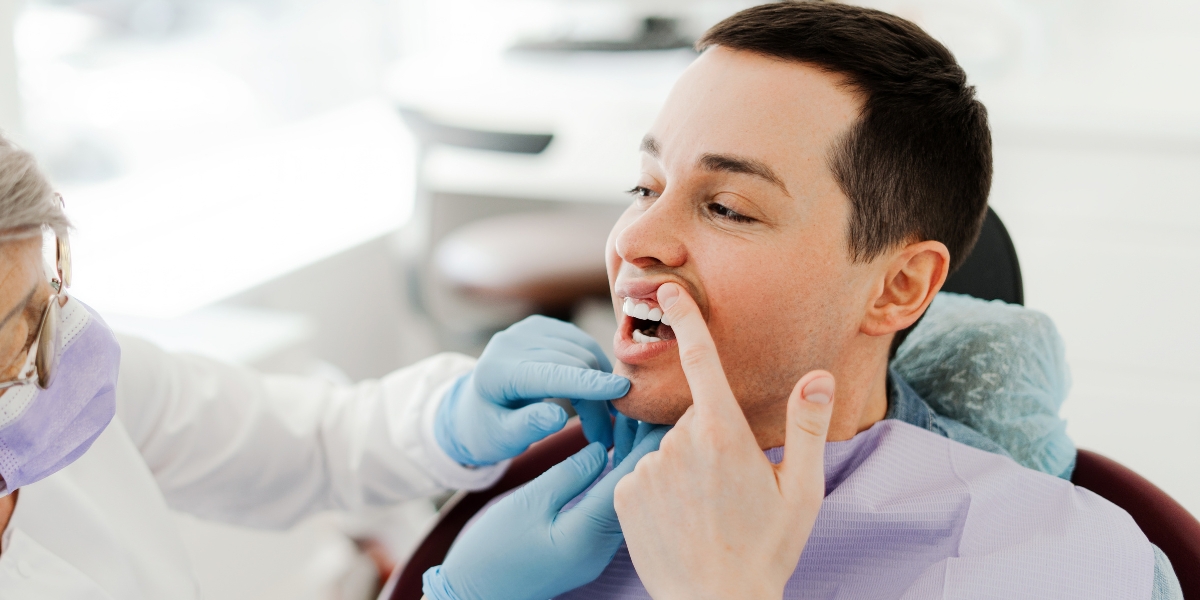


Dry mouth, also called xerostomia, happens when your mouth does not produce enough saliva to stay properly moist. Saliva does much more than simply keep your mouth comfortable. It helps rinse away food particles, supports digestion, protects tooth enamel, and keeps the tissues in your mouth healthy.
When saliva levels drop, everyday activities like talking, chewing, or swallowing may become uncomfortable. Some people notice a sticky feeling in the mouth, while others experience difficulty tasting food or a constant feeling of thirst. If the condition continues for a long time, it may also increase the risk of cavities, gum irritation, and bad breath.
Many people do not realize that persistent dry mouth can be a sign of an underlying issue. If the problem continues or starts affecting daily activities, visiting a dentist in Hollywood can help determine the cause and provide proper guidance. Dental professionals can evaluate your symptoms and suggest solutions that support both comfort and oral health.
Fortunately, simple lifestyle changes such as drinking enough water and choosing the right foods can make a noticeable difference. Understanding how hydration and nutrition influence saliva production is an important step toward long-term relief.
Signs You May Be Experiencing Dry Mouth
Dry mouth symptoms can vary from person to person, but several common signs may indicate that saliva production is reduced.
Some of the most frequent symptoms include:
- Constant dryness in the mouth or throat
- Sticky or thick saliva
- A rough or dry tongue
- Trouble tasting foods properly
- Difficulty chewing or swallowing
- Mouth sores or irritation
- Cracked lips or tongue
- Hoarseness or changes in voice
If these symptoms appear regularly, improving hydration and oral care habits can help reduce discomfort.
Common Reasons Dry Mouth Happens
Dry mouth can develop for several different reasons. In many cases, it is linked to medications or lifestyle habits.
Medication Side Effects
A wide range of medications can decrease saliva production. These include medications commonly used for allergies, depression, colds, and blood pressure.
Dehydration
When the body lacks enough fluids, saliva production naturally decreases. Even mild dehydration can make the mouth feel dry.
Certain Health Conditions
Some medical conditions can interfere with the body’s ability to produce saliva. Examples include diabetes and certain autoimmune disorders.
Aging
Saliva production may gradually decline with age, which is why dry mouth tends to become more common in older adults.
Tobacco Use
Smoking or chewing tobacco can irritate oral tissues and worsen dryness.
Understanding the cause is important because treating the root issue often improves symptoms.
Why Staying Hydrated Matters
Saliva is mostly made of water. That means hydration directly affects how much saliva your body produces.
When the body is properly hydrated, saliva can effectively:
- Wash away food debris
- Neutralize harmful acids in the mouth
- Protect tooth enamel
- Support gum health
Without enough saliva, bacteria can grow more easily, increasing the likelihood of cavities and gum problems.
How Much Water Should You Drink?
Hydration needs vary depending on lifestyle, climate, and physical activity. However, a common guideline is to drink about eight glasses of water per day.
People living in warmer climates may need even more fluids to stay properly hydrated. Drinking small amounts of water consistently throughout the day is often more effective than consuming large amounts at once.
Easy Ways to Drink More Fluids
If plain water feels boring, there are simple ways to make hydration more enjoyable.
You can try:
- Adding lemon, cucumber, or mint to your water
- Drinking unsweetened herbal teas
- Eating fruits and vegetables with high water content
- Carrying a water bottle during the day
These habits help keep your mouth moist while supporting overall health.
10 Foods That Can Help Relieve Dry Mouth
Some foods naturally contain high amounts of water or encourage saliva production, which can help ease dryness.
Watermelon
This fruit is extremely hydrating because it contains over 90% water. It is refreshing and easy to eat when your mouth feels dry.
Cucumbers
Cucumbers are crisp, refreshing, and rich in water, making them an excellent snack for hydration.
Celery
The crunchy texture of celery encourages chewing, which naturally stimulates saliva flow.
Leafy Green Vegetables
Vegetables like spinach, lettuce, and kale provide nutrients that support healthy oral tissues.
Yogurt
Plain yogurt can help maintain a healthy balance of beneficial bacteria in the mouth.
Soups and Broths
Warm soups are both comforting and hydrating, making them ideal for people experiencing dry mouth.
Nuts
Chewing unsalted nuts can stimulate saliva production while providing healthy fats and protein.
Apples and Pears
These fruits contain both water and fiber, helping keep the mouth hydrated while encouraging saliva flow.
Sugar-Free Gum
Chewing sugar-free gum, especially with xylitol, is one of the simplest ways to stimulate saliva production.
Herbal Tea
Unsweetened herbal teas such as chamomile or peppermint can provide soothing hydration.
Foods and Drinks to Limit
While some foods help with dry mouth, others can make the condition worse.
Dry or Crunchy Foods
Crackers, chips, and similar foods can absorb moisture and make swallowing difficult.
Caffeinated Drinks
Coffee, energy drinks, and certain teas may contribute to dehydration.
Alcohol
Alcohol can dry out oral tissues and worsen symptoms.
Sugary Drinks
Sugary beverages increase the risk of tooth decay, especially when saliva is limited.
Choosing balanced meals with plenty of hydrating foods can help maintain moisture in the mouth.
Additional Ways to Reduce Dry Mouth
Diet is only one part of managing dry mouth. A few lifestyle adjustments can also help.
Sugar-Free Lozenges
Lozenges that contain xylitol can encourage saliva flow.
Oral Moisturizing Products
Special mouth sprays and gels can temporarily relieve dryness.
Use a Humidifier at Night
Adding moisture to the air while sleeping can reduce nighttime dryness.
Avoid Mouth Breathing
Breathing through the nose instead of the mouth can help keep oral tissues from drying out.
Protecting Your Teeth When You Have Dry Mouth
Because saliva protects teeth, people with dry mouth should be extra careful about oral hygiene.
Healthy habits include:
- Brushing twice each day
- Flossing daily
- Drinking water regularly
- Avoiding alcohol-based mouthwashes
Regular dental visits are also important. A dentist in Hollywood can monitor oral health, detect early signs of tooth decay, and recommend strategies that help manage dry mouth more effectively.
Living Comfortably With Dry Mouth
Dry mouth can be frustrating, but it is often manageable with simple lifestyle adjustments. Drinking enough water, choosing moisture-rich foods, and maintaining good oral hygiene can significantly improve comfort.
If dryness continues or begins affecting your daily life, professional guidance can help identify the underlying cause and prevent long-term oral health problems.
For proper evaluation and treatment options, schedule an appointment with a dentist in Hollywood, FL today.
Frequently Asked Questions
Can dry mouth lead to bad breath?
Yes. When saliva is reduced, bacteria are not washed away as effectively, which can lead to unpleasant breath.
What is the best drink for dry mouth?
Water is the best option. Herbal teas without added sugar can also help keep the mouth hydrated.
Why is dry mouth worse at night?
Saliva production naturally slows while sleeping, which can make dryness more noticeable during the night.
Does chewing gum help dry mouth?
Yes. Sugar-free gum encourages saliva production and may help reduce dryness.
When should I see a dentist for dry mouth?
If dry mouth lasts for several weeks, causes difficulty eating or speaking, or leads to frequent cavities, it is best to consult a dental professional.