
Bone health plays an important role in maintaining a strong smile. When the jawbone becomes weak or loses volume, it may not be able to properly support teeth or certain dental restorations. A dental bone graft is a common procedure used to rebuild or strengthen areas of the jaw where bone loss has occurred. By placing grafting material in the affected area, dentists help stimulate new bone growth and restore the structure needed for future treatments.
Bone loss in the jaw can happen for several reasons. One of the most frequent causes is tooth extraction. After a tooth is removed, the surrounding bone may gradually shrink because it no longer receives stimulation from the tooth root. Gum disease is another major contributor, as infections in the gums can slowly destroy the bone that supports the teeth. In some cases, injuries to the jaw or naturally thin bone structure can also lead to bone loss.
A bone graft works by creating a framework that allows new bone cells to grow. Over time, the grafted material blends with the existing jawbone and forms a stable base for dental procedures. This process takes patience, but it is an important step in restoring both oral health and function.
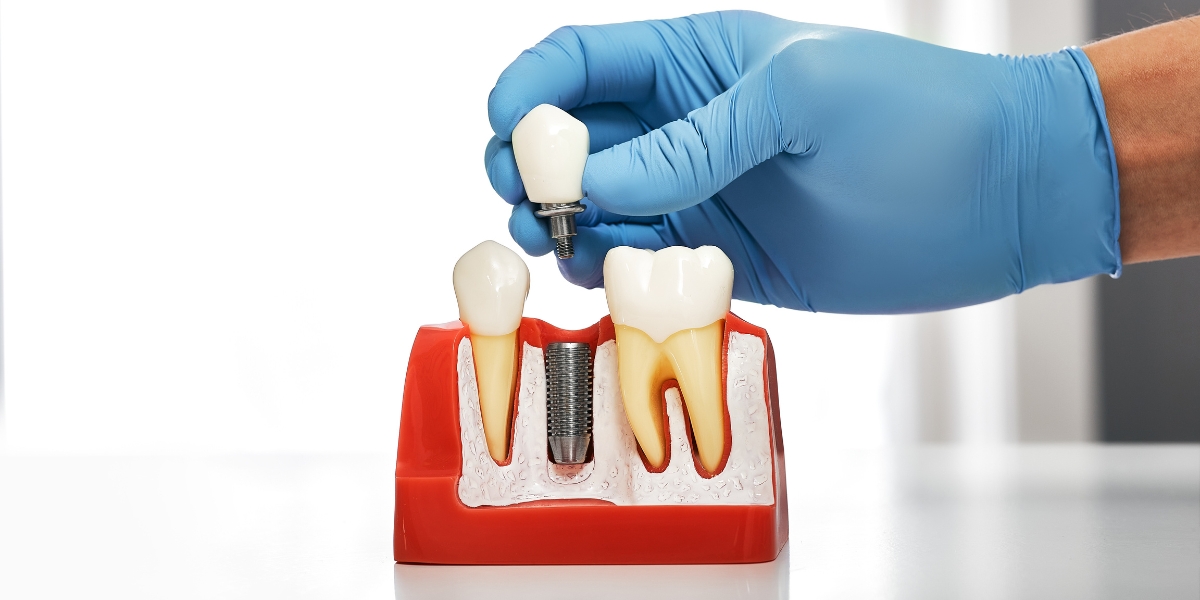
Many people who are planning to receive dental implants Hollywood may first need a bone graft. These implants function like artificial tooth roots, and they require a strong, healthy jawbone to remain secure. When the bone is not thick enough, grafting can help rebuild the area so the implant has proper support.
Why Dental Bone Grafts Are Performed
Dental bone grafting is often recommended when the jawbone has lost density or volume. One of the most common reasons for this procedure is to prepare the mouth for dental implants. Without enough bone support, an implant may not properly fuse with the jaw.
Bone grafts are also frequently placed immediately after a tooth extraction. This is known as socket preservation, and it helps prevent the bone from shrinking too much after the tooth is removed.
In addition, grafting can help rebuild areas damaged by advanced gum disease or trauma. Some patients also benefit from bone grafts when their jawbone shape needs improvement for dentures or other dental restorations.
Types of Bone Grafts Used in Dentistry
Dentists may use different types of grafting materials depending on the patient’s needs and the amount of bone that needs to be rebuilt.
Autografts use bone taken from the patient’s own body, often from another part of the mouth. Because it is the patient’s own bone, it usually integrates very well with the existing jawbone.
Allografts come from donated bone that has been carefully processed and sterilized. These grafts are widely used and eliminate the need for a second surgical site.
Xenografts are derived from animal sources, commonly bovine bone. After special processing, the material safely supports new bone growth and slowly becomes part of the patient’s natural bone structure.
A skilled dentist in Hollywood will determine which grafting material is best after evaluating the patient’s oral health, the extent of bone loss, and the long-term treatment plan.
What Happens During the Healing Process?
After the bone graft is placed, the body begins a natural healing process. This process allows the graft material to gradually combine with the surrounding bone.
The first phase involves inflammation, which is a normal response to surgery. Mild swelling, tenderness, and slight discomfort may occur during the first few days.
Next, the body begins to form new blood vessels in the grafted area. These vessels supply oxygen and nutrients that help new bone cells grow.
During the bone formation stage, the body slowly replaces the graft material with new bone tissue. This stage takes several months, as the new bone continues to strengthen and mature.
Finally, the jaw goes through bone remodeling, where the new bone adjusts to match the natural shape and structure of the surrounding area.
Dental Bone Graft Healing Timeline
Every patient heals differently, but most bone grafts follow a similar general timeline.
First 1–2 weeks:
This is the initial healing stage. Some swelling and tenderness are normal, and patients are usually advised to stick to a soft diet while the surgical area begins to recover.
Three to four months:
During this period, new bone tissue begins to develop around the graft material. The area gradually becomes stronger as healing progresses.
Six to nine months:
By this stage, the graft has usually integrated with the surrounding bone. Once healing is complete, the dentist may evaluate whether the area is ready for dental implant placement or other restorative treatment.
Factors That Can Affect Healing Time
The time needed for a bone graft to heal can vary from person to person. Several factors may influence the recovery process.
The type of graft procedure plays a role. Smaller grafts placed after tooth removal often heal more quickly than larger procedures like ridge augmentation or sinus lifts.
The amount of bone loss also matters. If a larger section of bone needs to be rebuilt, the healing process may take longer.
A patient’s overall health and age can influence how quickly new bone forms. Healthy individuals with strong immune systems tend to recover faster.
Lifestyle habits can also make a difference. Smoking, for example, reduces blood flow to the surgical area and may slow healing. Maintaining a balanced diet and good oral hygiene supports better recovery.
Finally, following post-treatment instructions carefully helps protect the graft and encourages proper healing.
Recovery Tips After a Dental Bone Graft
Taking proper care of the surgical site can make the recovery process smoother.
Manage swelling and discomfort
Dentists may recommend medication to control pain after the procedure. Applying cold compresses on the outside of the face during the first couple of days can also help reduce swelling.
Choose soft foods at first
Foods such as yogurt, mashed potatoes, soup, smoothies, and scrambled eggs are usually easier to eat during the early recovery stage. Hard or crunchy foods should be avoided until the area begins to heal.
Maintain gentle oral hygiene
Brushing and flossing should continue, but the surgical area should be treated carefully. In some cases, an antibacterial mouth rinse may be recommended to help control bacteria.
Rest and avoid heavy physical activity
Giving your body time to recover is important. Strenuous activities should be limited for a few days to prevent unnecessary pressure on the surgical area.
Attend follow-up appointments
Regular dental visits allow the dentist to monitor healing and ensure the graft is integrating properly with the jawbone.
Additional Things to Keep in Mind
Patients recovering from a bone graft often have questions about everyday activities.
Smoking should be avoided during the healing process because it can interfere with blood flow and slow bone regeneration.
Solid foods can usually be reintroduced gradually as the surgical area becomes more comfortable. Your dentist will provide guidance based on how well the area is healing.
Light physical activity can typically resume after a few days, but intense exercise should be postponed until the dentist confirms it is safe.
If symptoms such as severe swelling, persistent bleeding, fever, or unusual pain occur, it is important to contact a dental professional as soon as possible.
FAQs About Dental Bone Grafts
How long does a dental bone graft take to heal?
Most bone grafts take about six to nine months to fully integrate with the jawbone, although smaller grafts may heal faster.
Is a dental bone graft painful?
The procedure itself is performed using anesthesia, so patients usually feel minimal discomfort during surgery. Mild soreness afterward is normal and can be managed with medication.
When can dental implants be placed after a bone graft?
Dental implants are typically placed once the graft has completely healed and the bone is strong enough to support the implant.
Can I return to work after the procedure?
Many patients return to work within a day or two, depending on the complexity of the surgery and how they feel during recovery.
What should I avoid after a bone graft?
Smoking, hard foods, and intense physical activity should be avoided for a period of time to protect the surgical area and support healing.
Rebuilding lost bone can be an important step toward restoring a healthy and functional smile. If you have experienced bone loss or are considering implant treatment, schedule an appointment with a trusted dentist to discuss your options and create a personalized treatment plan.