
Getting dental implants is a big step toward restoring your smile, and naturally, you may be wondering when you can get back to everyday habits—especially if you’re a smoker. After the procedure, it’s common to feel the urge to light up, but timing matters more than you might think. Smoking too soon can interfere with your healing and even put your dental implants at risk. If you recently received dental implants in Hollywood, giving yourself enough recovery time is essential for long-term success.
This guide breaks down how smoking affects healing, how long you should wait, and what to expect during recovery.
Why the Healing Period Matters
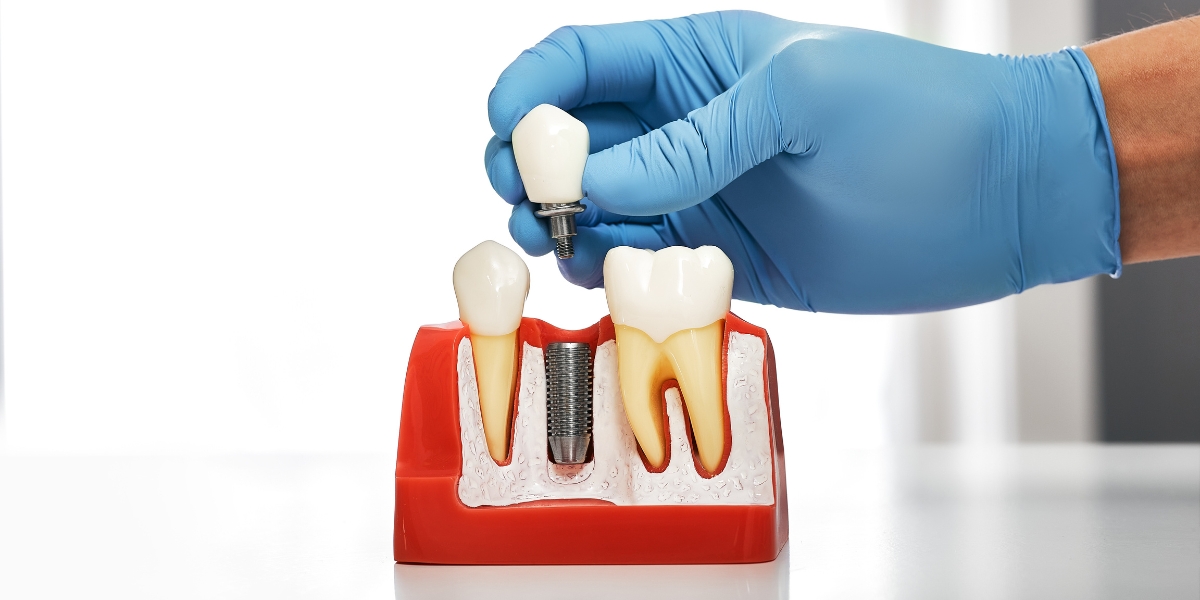
Dental implants rely on a process called osseointegration, which is when your jawbone fuses with the implant post. This bonding is what makes implants strong, stable, and long-lasting.
The first few days are especially sensitive. Your gums are inflamed, your mouth is trying to form protective blood clots, and the bone is beginning its early healing process. Introducing smoke during this period can lead to complications that may jeopardize your implant.
Smoking reduces blood flow, delays healing, and increases your chances of infection—three things you definitely don’t want while recovering from surgery.
How Smoking Interferes with Implant Healing
Smoking affects your oral health in several ways, especially when recovering from implant placement:
Poor Blood Circulation
Nicotine narrows blood vessels, making it harder for oxygen and nutrients to reach your gums. Without proper oxygen, tissues heal more slowly and less effectively.
Increased Risk of Infection
Cigarette smoke introduces harmful chemicals that irritate the gums and create an ideal environment for bacteria. This can heighten the risk of peri-implantitis—an infection around the implant that may cause it to loosen or fail.
Dry Mouth
Smoking slows saliva production. Saliva helps cleanse your mouth and protect against bacteria. With a dry mouth, harmful microorganisms can multiply quickly, increasing infection risk.
Compromised Osseointegration
If smoke affects the early stages of bone integration, the implant may not bond properly with your jawbone, putting its stability at risk.
So, When Can You Smoke After Dental Implants?
Minimum Wait Time: 72 Hours
Most dentists recommend not smoking for at least three days after surgery. This timeframe allows the surgical sites to begin healing and reduces the risk of a dry socket or disturbed blood clot.
Ideal Wait Time: 2–3 Months
Although three days is the absolute minimum, avoiding smoking for two to three months provides much better protection for your implant. This is when osseointegration occurs. Any nicotine exposure during this period increases the chance of implant failure.
If you truly want to protect your investment, extending your smoke-free period will dramatically improve your chances of long-term success.
What If You Can’t Quit Completely?
Quitting smoking is difficult, but even reducing your intake during recovery can help your implants heal properly. Here are some alternatives and strategies:
- Nicotine patches or lozenges: These can help manage cravings without exposing your implant to heat, chemicals, or smoke.
- Set smoking limits: Even decreasing the frequency of smoking can reduce risk.
- Avoid smoking immediately after eating: Your gums are more sensitive after meals.
- Seek professional support: Your dentist or doctor can guide you to resources that support smoking reduction or cessation.
Tips to Support Healing After Dental Implants
Whether or not you smoke, following good post-op care helps your implants heal successfully:
Stay Well-Hydrated
Water helps prevent dry mouth and supports healthy circulation—both crucial for healing.
Use Dentist-Recommended Mouthwash
An antibacterial mouth rinse helps control bacteria and reduce infection risk.
Stick to Soft Foods
Foods like yogurt, smoothies, soups, and mashed potatoes will avoid putting pressure on the implant site.
Don’t Skip Follow-Ups
Regular checkups allow your dentist to monitor healing and catch issues early. This is especially important if you’re a smoker.
The Long-Term Effects of Smoking on Oral Health
Even after your implant heals, smoking still affects your mouth. It can cause gum disease, bone loss, chronic infection, tooth discoloration, and even future implant failure. Reducing or quitting smoking altogether protects not just your implant but your overall dental health.
If you’re considering dental implants, your dentist in Hollywood will likely encourage you to reduce smoking both before and after surgery to ensure the best possible results.
Final Thoughts
So, when can you smoke after dental implants?
- Bare minimum: Wait at least 72 hours
- Best for healing: Avoid smoking for 2–3 months
- Best for long-term results: Minimize or quit smoking permanently
Your mouth needs time to heal, and protecting your implant during this stage is key to lasting success. Although the temptation may be strong, waiting to smoke will pay off in the long run—both for your implant and your overall oral health.
If you’re ready to learn more about dental implants or need guidance on keeping your implants healthy, schedule an appointment today.
Frequently Asked Questions
Why is it important to stop smoking before and after dental implant surgery?
Smoking reduces blood flow and slows healing, increasing the risk of infection and implant failure. The fewer cigarettes you smoke during recovery, the better your implants will heal.
Can one cigarette ruin my dental implant?
Even a single cigarette in the first 72 hours can disrupt blood clot formation and introduce harmful chemicals into the healing area. It’s risky and not recommended.
How long does osseointegration take?
Osseointegration typically takes 8 to 12 weeks, depending on your health, bone density, and post-op habits—including avoiding smoking.
Will vaping affect dental implant healing?
Yes. Vaping still delivers nicotine, which restricts blood flow and slows healing. It may be slightly less harmful than cigarettes but still risky during implant recovery.
Is it safe to smoke once my implant is fully healed?
While your implant might survive, smoking still increases the risk of gum disease, bone loss, and peri-implantitis. Quitting or reducing smoking will always benefit your long-term oral health.