

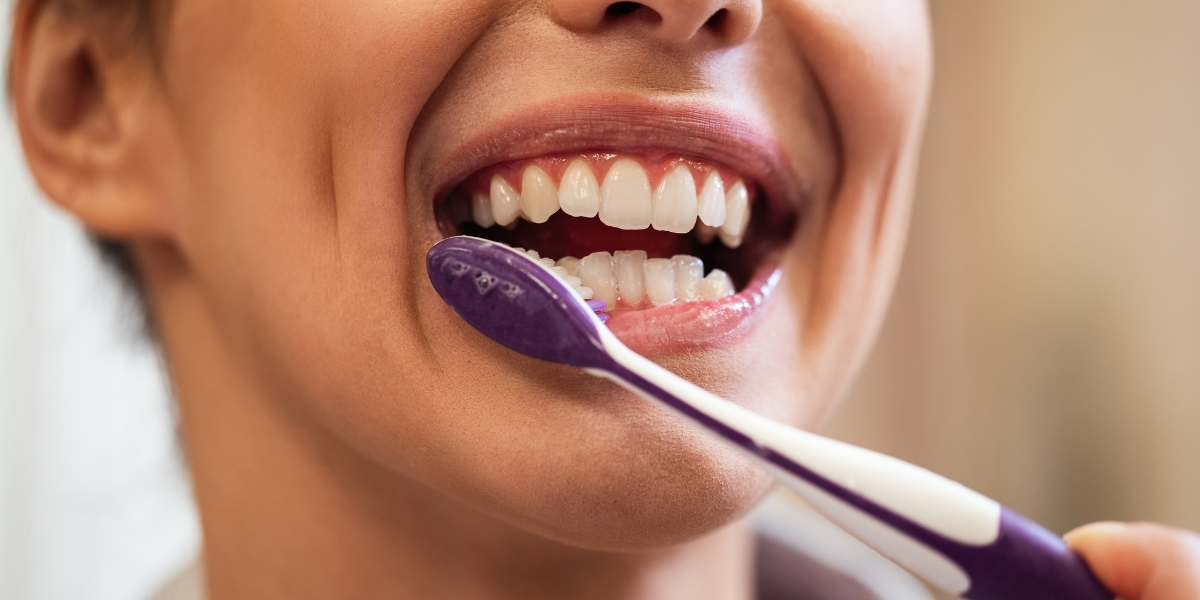
A brighter smile can do more than improve appearance—it often boosts confidence and encourages better oral care habits. When people begin using whitening strips, one of the most common questions that comes up is whether brushing should happen before or after the treatment. The answer isn’t universal, and choosing the right timing can make a noticeable difference in comfort and results.
Whitening works best when it’s paired with smart oral hygiene habits. Understanding how brushing fits into the process helps protect enamel while still allowing you to enjoy a whiter smile.
Understanding How Whitening Strips Affect Your Teeth
Whitening strips rely on active ingredients that seep into the enamel to lighten discoloration. Because these ingredients sit directly on the tooth surface, anything left behind—plaque, food residue, or buildup—can interfere with how evenly the whitening agent works. That’s why brushing habits matter more than many people expect.
Brushing Before Whitening: When It Makes Sense
Brushing before applying whitening strips can be helpful for people who want more even results. Cleaning the teeth first removes surface debris and allows the whitening gel to sit flat against the enamel.
Many individuals interested in teeth whitening in Hollywood are advised that starting with clean teeth may help reduce patchy whitening, especially when stains come from coffee, tea, or certain foods. However, brushing too close to application time can increase tooth sensitivity.
A Safer Way to Brush Before Whitening
- Use a soft-bristled toothbrush
- Choose a fluoride-based toothpaste
- Brush gently, not aggressively
- Rinse thoroughly
- Wait at least 30 minutes before applying strips
This waiting period gives your enamel time to recover and reduces irritation.
Brushing After Whitening: A Gentler Alternative
Some people prefer to brush after whitening instead of before. This approach can be especially helpful if your teeth are prone to sensitivity or if you’ve noticed discomfort during previous whitening attempts.
A cosmetic dentist in Hollywood may suggest post-whitening brushing for patients with delicate enamel or exposed tooth roots. Brushing afterward helps remove leftover gel without risking enamel stress from back-to-back treatments.
Tips for Brushing After Whitening
- Wait 30 minutes after removing the strips
- Use a soft toothbrush
- Avoid harsh or whitening toothpaste
- Brush lightly and slowly
This method keeps teeth clean while minimizing irritation.
How to Decide What’s Best for Your Smile
Choosing whether to brush before or after whitening depends on several personal factors:
- Sensitivity level: Sensitive teeth often respond better to brushing afterward
- Enamel condition: Weaker enamel benefits from a gentler routine
- Daily habits: Some people prefer whitening after their normal brushing schedule
- Comfort: Your teeth should never feel painful during whitening
- Professional advice: Dental guidance can help tailor the approach
There’s no one-size-fits-all answer—comfort and enamel health should always come first.
Keeping Your Teeth Healthy While Whitening
Regardless of brushing timing, these habits support safer whitening:
- Stick to a soft-bristle toothbrush
- Use fluoride toothpaste daily
- Drink plenty of water
- Limit staining foods and drinks during treatment
- Avoid overusing whitening products
- Maintain routine dental visits
Whitening should enhance your smile, not compromise your oral health.
Final Thoughts
Brushing before whitening can help improve results, while brushing after whitening may be more comfortable for sensitive teeth. The right choice depends on your enamel, sensitivity, and personal routine. When done thoughtfully, whitening can be both effective and safe.
If you’re unsure which approach fits your smile or want personalized guidance, schedule an appointment with a dental professional.
Frequently Asked Questions
Is it okay to brush right before using whitening strips?
Brushing is fine, but it’s best to wait about 30 minutes before applying strips to avoid sensitivity.
Can I brush immediately after whitening?
It’s safer to wait at least 30 minutes so your enamel can rehydrate.
Should I use whitening toothpaste during treatment?
It’s better to avoid it. Whitening toothpaste can be abrasive and increase sensitivity.
Why do my teeth feel sensitive during whitening?
Whitening agents temporarily open enamel pores, which can cause sensitivity. This usually fades.
How long should I wait between whitening sessions?
Always follow the product instructions or consult your trusted dentist for guidance.
Related Articles
Category : Teeth Whitening
Category : Cosmetic Dentistry, Teeth Whitening