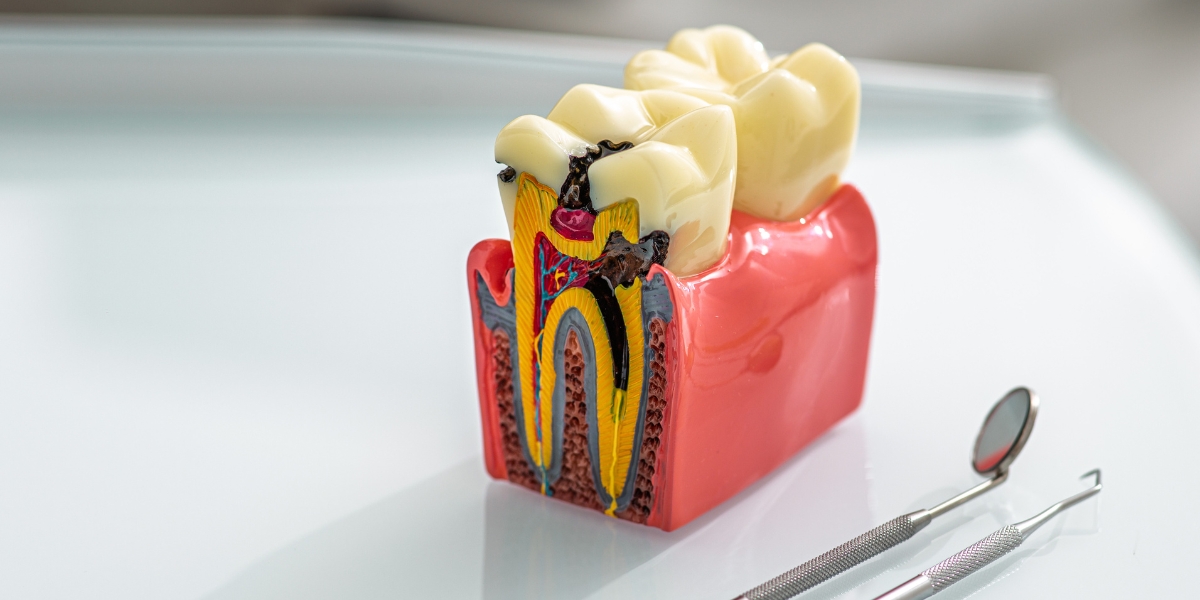

A root canal is performed to remove infected or damaged tissue from inside a tooth and help preserve it. Once the procedure is complete, you may expect the tooth to feel completely normal right away. However, it is not unusual to notice some tenderness, pressure, or pain when biting during the first few days after treatment.
This discomfort can happen even when the root canal itself went as planned. The tissues surrounding the tooth may still be irritated from the infection and the dental procedure. As your mouth heals, chewing pressure can make the treated area feel more sensitive than usual.
The amount of discomfort varies from person to person. Some people experience only mild soreness, while others may notice a sharper feeling when they bring their teeth together. The condition of the tooth before treatment, the extent of the infection, and the surrounding tissues can all affect recovery.
For patients receiving root canal therapy in Hollywood, understanding the reason behind post-treatment biting pain can make the recovery period less stressful. In many cases, temporary tenderness is simply a sign that the tissues around the tooth are settling down after treatment.
Why Does a Root Canal Tooth Hurt When You Bite?
Several factors can contribute to discomfort when pressure is placed on a recently treated tooth. Identifying the possible cause is important because normal healing and a problem requiring dental attention can sometimes feel similar.
Inflammation Around the Tooth
The tissues surrounding a tooth can become inflamed after a root canal. If the tooth had a significant infection before treatment, the inflammation may take some time to settle even after the infected tissue inside the tooth has been removed.
When you bite down, pressure is transferred through the tooth to these surrounding tissues. Because they are still sensitive, chewing can cause temporary soreness or tenderness.
The Tooth May Be Taking Too Much Pressure
An altered bite is another possible reason for pain after a root canal. A temporary filling or crown may sit slightly higher than the neighboring teeth. When this happens, the treated tooth can receive more force every time you bite.
You may notice that the tooth feels uncomfortable when chewing or that it seems to hit before the other teeth. A dentist in Hollywood can check your bite and make a small adjustment if necessary. In many cases, correcting the bite can significantly reduce the pressure on the tooth.
Irritation From the Previous Infection
A tooth that needed root canal treatment may have been dealing with infection or inflammation for some time. Even after the source of the infection has been addressed, the surrounding area does not immediately return to normal.
Healing can take longer when the infection was extensive or had affected the tissues around the tooth. Gradual improvement is generally reassuring, while pain that continues to increase deserves attention.
A Crack or Structural Problem
Some teeth that require root canal treatment are already weakened by large fillings, decay, trauma, or other structural problems. A crack can sometimes cause pain specifically when biting or releasing a bite.
If discomfort does not follow the usual pattern of improvement, your dental provider may examine the tooth for cracks or other structural concerns.
How Can You Manage Pain After a Root Canal?
Most people can manage mild post-treatment discomfort with simple measures at home. Your dentist may also provide specific instructions based on your individual treatment.
Follow Recommended Pain Relief Instructions
Over-the-counter pain relievers may help with temporary soreness. Use medications only as directed on the label or according to instructions from your dental professional. If you have medical conditions or take other medications, ask a healthcare professional before using a new medication.
Avoid Heavy Chewing on the Treated Tooth
Give the tooth a break while the surrounding tissues recover. Softer foods can make eating more comfortable, particularly during the first few days. Try chewing on the opposite side of your mouth until the tooth feels less sensitive.
Keep Brushing and Flossing
A root canal does not mean you should stop your regular oral hygiene routine. Continue brushing and flossing to keep plaque and bacteria under control. Be gentle if the area around the treated tooth feels tender.
Use a Cold Compress for Swelling
If you experience mild swelling or soreness around the treatment area, placing a cold compress against the outside of your cheek for short periods may provide relief. Avoid applying ice directly to your skin.
When Is Biting Pain a Reason for Concern?
Some discomfort can be part of normal recovery, but symptoms that persist, become stronger, or appear alongside other problems should not be ignored.
Contact your dental office if you experience:
- Severe or increasing pain
- Significant swelling around the tooth or face
- Fever or chills
- Pus or drainage near the treated tooth
- A persistent bad taste in your mouth
- Pain that does not gradually improve
- A bite that feels noticeably uneven
- Difficulty opening your mouth or swallowing
A follow-up examination can help determine whether the tooth is healing normally or whether another issue needs to be addressed.
How Long Should Biting Pain Last?
For many patients, tenderness begins to decrease within several days. Some soreness can remain for about a week, particularly when the tooth was infected or irritated before treatment.
The important thing is the overall trend. Discomfort that gradually becomes less noticeable is generally different from pain that steadily increases. If the tooth continues to hurt when biting after the expected healing period, contacting your dental provider is a good next step.
Helping Your Tooth Recover
Taking it easy with the treated tooth, maintaining good oral hygiene, and following your dentist’s instructions can support a smoother recovery. Avoid putting unnecessary pressure on the tooth until your dental provider confirms that it is ready for normal chewing.
A root canal is intended to remove infection and preserve your natural tooth, but the surrounding tissues still need time to recover. Temporary biting discomfort does not automatically mean something went wrong. However, persistent or worsening symptoms should always be checked rather than ignored.
If biting pain continues after your root canal or you have concerns about how your tooth is healing, schedule an appointment today.
Frequently Asked Questions
Why does my tooth hurt when I bite after a root canal?
The tissues around the tooth may still be inflamed after treatment. Pressure from chewing can irritate these tissues while they heal. An uneven bite, lingering inflammation, or a structural issue can also cause discomfort.
How long should a tooth hurt when biting after a root canal?
Mild biting discomfort often improves over several days. If the pain continues without improvement, becomes more severe, or is accompanied by swelling or other symptoms, contact your dentist for an evaluation.
Is sharp pain when biting after a root canal normal?
A brief, mild sensation can occur during healing, but sharp or worsening pain should not automatically be considered normal. Your dentist can determine whether the discomfort is related to healing, your bite, or another dental concern.
Can an uneven bite cause pain after a root canal?
Yes. If the treated tooth sits slightly higher than the surrounding teeth, it may receive excessive pressure when you bite. Your dentist can examine your bite and adjust the restoration when appropriate.
Should I avoid chewing on a root canal tooth?
It is often sensible to avoid heavy chewing on the treated tooth until your dentist advises that normal chewing is appropriate. Softer foods and chewing on the opposite side may help reduce pressure during recovery.
Does pain when biting mean my root canal failed?
Not necessarily. Temporary tenderness can occur as the surrounding tissues heal. Persistent, worsening, or recurring pain should be evaluated so your dentist can determine what is causing it.
When should I call my dentist after a root canal?
Call your dental office if pain is getting worse instead of better, swelling develops, you have a fever, notice drainage, or your bite feels significantly different. Prompt evaluation can help identify and address potential complications.