

Nobody gets excited about hearing the words, “You need a root canal.” For many people, that sentence is followed by another question almost immediately: “Is my tooth going to be weak afterward?”
It’s an understandable concern. If a dentist is removing tissue from inside your tooth, it sounds like the tooth should become less durable. But that’s only part of the story.
The truth is, a root canal isn’t what puts your tooth at risk—it actually gives a badly damaged tooth a second chance. Instead of removing the tooth completely, your dentist treats the infection and helps you keep what nature gave you. If you’re thinking about root canal therapy in Hollywood, knowing how the treatment affects your tooth can make the decision much less stressful.
Why Would a Tooth Need a Root Canal?
Your teeth are stronger than they look, but they’re not indestructible.
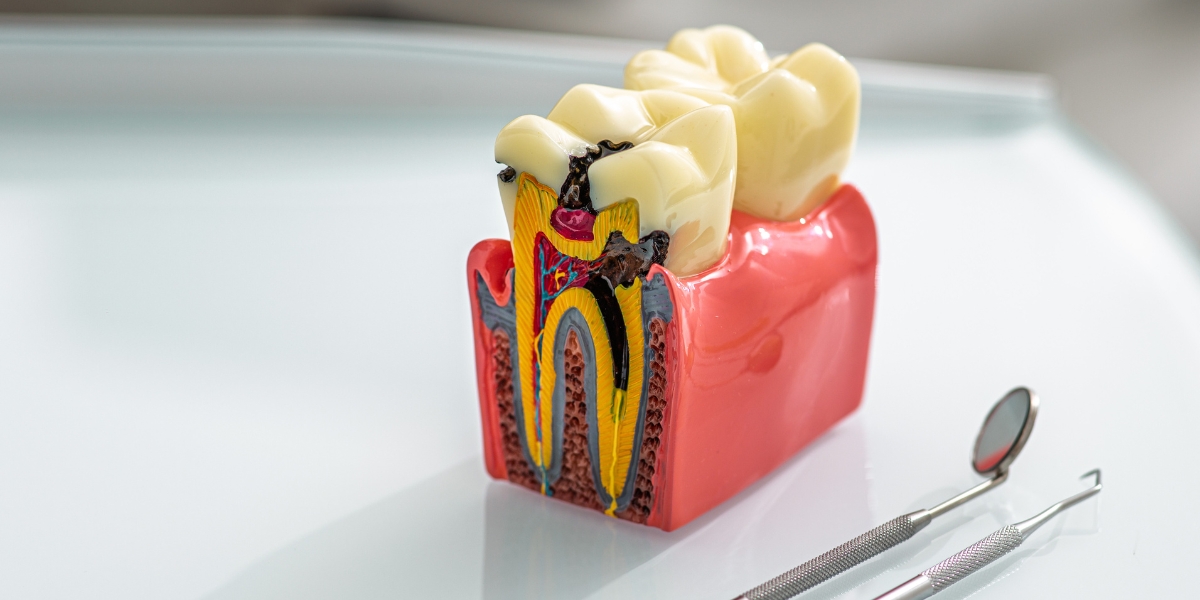
A deep cavity, an old filling that starts leaking, an unexpected injury, or even years of wear can allow bacteria to work their way into the center of the tooth. Once that happens, the inside becomes inflamed or infected.
At this stage, brushing a little better or waiting for the pain to disappear won’t solve the problem. The infection needs professional treatment.
A root canal removes the infected tissue, disinfects the inside of the tooth, and seals it so bacteria can’t easily return. The goal is simple: stop the infection while saving the natural tooth.
So…Does the Tooth Become Weak?
Here’s the honest answer.
A tooth that has had a root canal is different, but different doesn’t automatically mean weak.
Think about a house with water damage. Repairing the damaged areas doesn’t make the house weaker—it helps prevent it from collapsing. The same idea applies here.
Most teeth that need root canals have already lost strength because of decay, cracks, or previous dental work. The procedure isn’t what caused the problem. It’s the solution that keeps the tooth from getting worse.
Once the infection is gone and the tooth is properly restored, it can continue doing its job every single day.
What Really Affects the Tooth After Treatment?
Every smile is unique, so no two root canals are exactly alike.
How Much Damage Was Already There?
Some teeth only have a small area of decay. Others have been breaking down for years before treatment.
The healthier the remaining tooth structure, the easier it is to rebuild and protect.
Was the Tooth Properly Restored?
Finishing the root canal is only one part of the process.
Your dentist Hollywood, FL will recommend the best restoration based on where the tooth is located and how much support it needs. For many back teeth, a dental crown provides the protection necessary to handle everyday chewing without placing unnecessary stress on the tooth.
How You Treat the Tooth Matters
Even the strongest restoration can’t protect against every habit.
Chewing ice, biting fingernails, opening packages with your teeth, or constantly grinding while sleeping can damage both treated and untreated teeth.
Healthy habits go a long way toward helping your restoration last.
Why Do So Many Dentists Recommend Crowns?
Imagine repairing a cracked phone screen but never putting a case back on the phone.
Technically it’s fixed—but it’s still vulnerable.
That’s similar to what happens when a heavily damaged tooth isn’t protected after a root canal.
Back teeth deal with hundreds of pounds of pressure while chewing. A crown acts like a protective cover, helping spread that pressure across the tooth instead of concentrating it in one weak area.
Not everyone needs a crown, though. Front teeth often experience much less force, so depending on the situation, a strong filling may be enough.
Small Habits That Make a Big Difference
A successful root canal doesn’t end when you leave the dental office.
Here are a few simple ways to help your treated tooth last as long as possible.
Don’t Wait Too Long for the Final Restoration
If your dentist recommends a crown, try not to postpone it. The temporary restoration isn’t designed to protect the tooth forever.
Keep Up With Daily Oral Care
Root canal-treated teeth still need regular brushing and flossing. While the nerve has been removed, the surrounding tooth can still develop cavities.
Be Mindful of What You Bite
Hard candies, popcorn kernels, and ice cubes can crack almost any tooth—including one that’s been restored.
Protect Your Smile While You Sleep
Many people grind their teeth without realizing it. A custom night guard can help prevent unnecessary wear and reduce pressure on restored teeth.
Don’t Skip Dental Checkups
Routine visits allow your dentist to make sure your restoration is still in excellent condition and catch small issues before they become expensive repairs.
Is Saving the Tooth Better Than Removing It?
Whenever possible, yes.
Removing a tooth may seem like the fastest solution, but it creates a new set of challenges. Missing teeth can affect the way you chew, change your bite, and even lead to bone loss over time.
Although dental implants and bridges are excellent options when necessary, keeping your natural tooth is usually the simplest and healthiest long-term choice.
That’s exactly why root canals remain one of the most valuable treatments in modern dentistry.
Final Thoughts
A root canal doesn’t ruin your tooth—it rescues it.
By removing infection and preserving the healthy parts of the tooth, the procedure gives you the opportunity to continue using your natural smile instead of replacing it. The key is completing the recommended restoration and taking good care of your teeth afterward.
If you’ve been living with tooth pain or sensitivity, don’t assume the tooth can’t be saved. The experienced team at Parker Dentistry is committed to helping patients restore their smiles with personalized care in Hollywood, FL.
Schedule an appointment today and let us help you protect your natural smile with treatment that’s designed for your long-term oral health.
Frequently Asked Questions
Will my tooth break more easily after a root canal?
Not necessarily. Most treated teeth perform very well when they’re restored correctly with a filling or crown and cared for properly.
Why do back teeth usually need crowns?
Molars handle most of the pressure while chewing. A crown helps protect the remaining tooth structure from cracking under everyday use.
Can I eat normally after my root canal?
Yes. Once your dentist confirms that healing is complete and your permanent restoration is in place, you can usually return to your normal diet.
How long can a root canal-treated tooth last?
Many last for decades. Good oral hygiene, regular checkups, and avoiding harmful habits all contribute to long-term success.
Does the tooth still get cavities after a root canal?
Yes. The nerve has been removed, but the outer part of the tooth is still vulnerable to decay if plaque and bacteria aren’t controlled.
What happens if I delay treatment?
Waiting too long can allow the infection to spread, increasing the risk of severe pain, swelling, bone damage, or the loss of the tooth.
How do I know it’s time to see a dentist?
Persistent tooth pain, swelling, sensitivity that doesn’t go away, discomfort while chewing, or a tooth that suddenly changes color are all good reasons to schedule an evaluation.