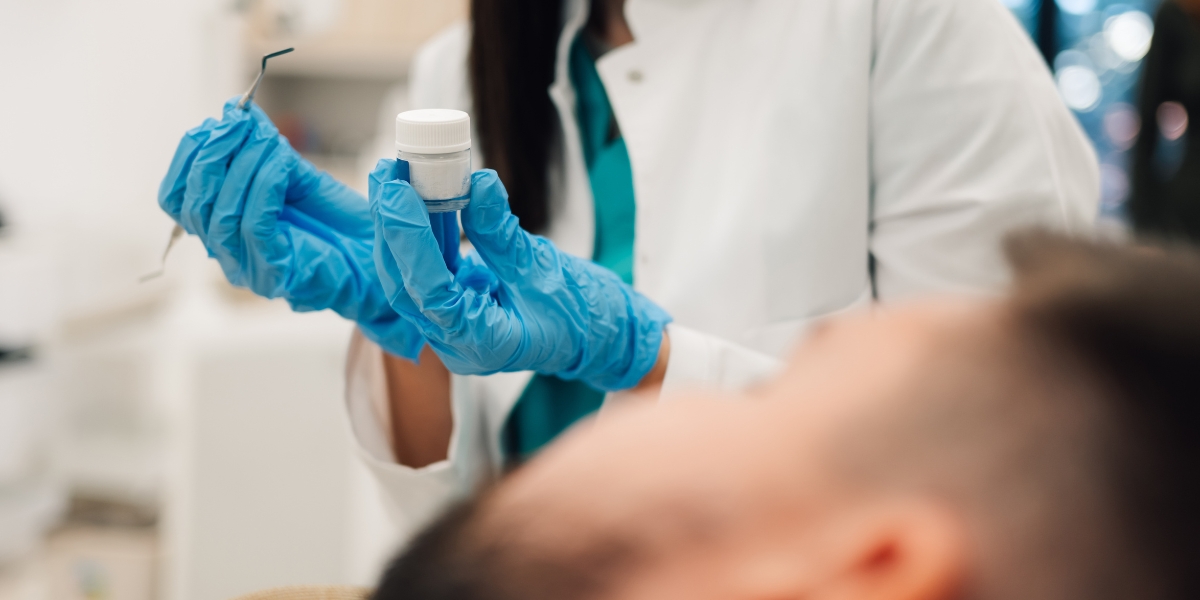

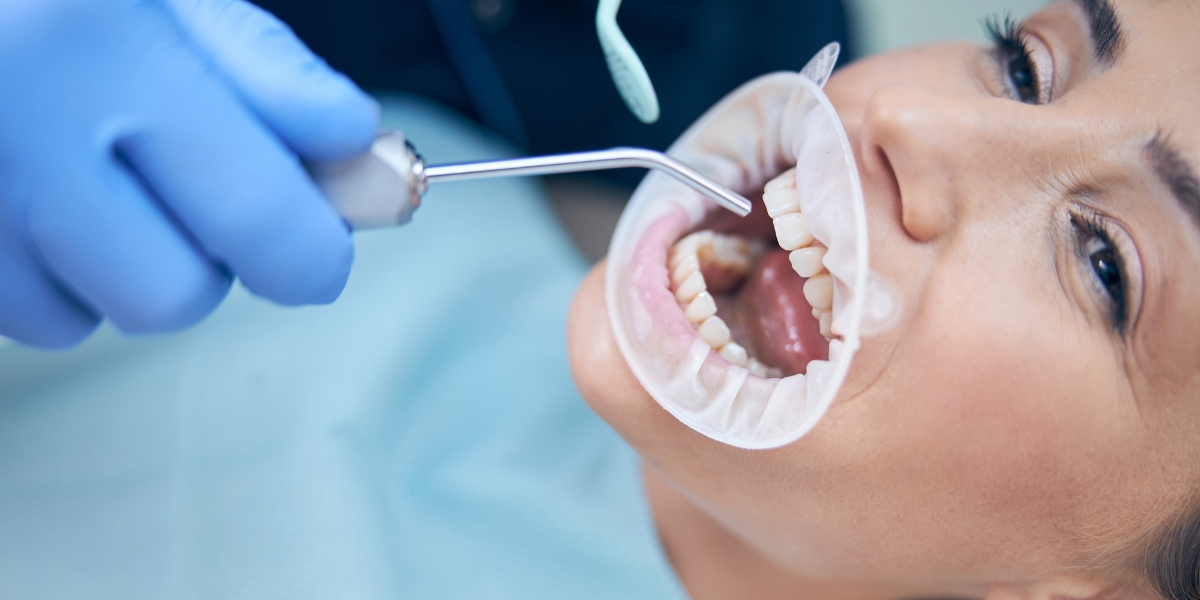
Getting a dental filling is great news—it means your tooth has been repaired before the damage became more serious. Whether your filling was placed to treat a cavity or restore a chipped tooth, a little care afterward can go a long way. Although today’s dental fillings are made from durable materials, they still need proper maintenance to stay in good condition.
The good news is that protecting your filling doesn’t require a complicated routine. A few healthy habits each day can help keep your restored tooth strong while reducing the chances of future dental problems.
Why Caring for Your Filling Matters
A filling seals and strengthens a damaged tooth, but it doesn’t make that tooth immune to decay. Bacteria and plaque can still collect around the edges of the filling if your oral hygiene slips. Over time, this can cause new cavities, weaken the tooth, or even lead to the filling failing.
Taking care of your filling is really about protecting the natural tooth underneath. The better you care for it now, the less likely you’ll need additional dental treatment later.
Give Your Tooth Time to Recover
Your mouth may feel numb for a few hours after the procedure if local anesthesia was used. During this time, it’s best to avoid chewing until the feeling fully returns. Accidentally biting your cheek or tongue is more common than many people realize.
For the rest of the day, stick with softer foods and avoid anything extremely hot, crunchy, or chewy. Your tooth may feel a little sensitive at first, but this usually fades within a few days.
Make Oral Hygiene a Daily Priority
One of the best things you can do for your filling is keep your teeth clean. Brush twice every day using fluoride toothpaste and a soft-bristled toothbrush. Pay close attention to the area around the filling without brushing too aggressively.
Flossing is just as important because it removes plaque and food particles that your toothbrush can’t reach. A complete oral hygiene routine helps protect both your filling and the surrounding teeth.
Watch What You Eat
Certain foods can put unnecessary stress on dental fillings. Chewing ice, biting into hard candy, or frequently eating sticky treats like caramel can increase the risk of a filling becoming loose or damaged.
You don’t have to avoid these foods forever, but limiting them can help your restoration last much longer. Making smarter food choices is a simple way to protect your dental work.
Protect Your Teeth from Grinding
Many people grind or clench their teeth without even realizing it, especially while sleeping. Over time, this repeated pressure can wear down fillings and even cause them to crack.
If you often wake up with jaw soreness, headaches, or notice worn teeth, talk to your dentist. A custom nightguard can provide an extra layer of protection while you sleep.
Keep Up with Routine Dental Visits
Even if your filling feels perfectly normal, regular dental checkups remain important. During your visit, your dentist can make sure the filling is still sealed properly and check for any signs of wear before they become bigger concerns.
Professional cleanings also remove plaque and tartar from areas that brushing and flossing simply can’t reach, helping your filling last longer.
Don’t Ignore Changes in Your Tooth
If a filling starts to loosen, crack, or wear down, your tooth will often let you know. You might notice discomfort when chewing, increased sensitivity, or a rough edge that wasn’t there before.
If you experience any of these symptoms, it’s a good idea to visit a dentist in Hollywood, FL as soon as possible. Addressing a small issue early can often prevent more extensive treatment and help preserve your natural tooth.
Never Use Your Teeth Like Tools
It can be tempting to tear open a package or hold something with your teeth when your hands are full, but doing so places unnecessary force on both your teeth and your fillings.
Using scissors or the proper tools instead may seem like a small habit, but it can prevent chips, cracks, and unexpected dental emergencies.
Choose a Toothbrush That’s Gentle
Brushing harder doesn’t mean brushing better. A soft-bristled toothbrush removes plaque effectively while being gentle on your gums, enamel, and dental fillings.
Remember to replace your toothbrush every three to four months, or sooner if the bristles become bent or worn.
Keep Plaque Under Control
Plaque builds up every day, and if it isn’t removed, it can harden into tartar and increase your risk of tooth decay and gum disease. The area where the filling meets your natural tooth deserves extra attention because bacteria often collect there.
Brushing, flossing, eating a balanced diet, and scheduling regular cleanings all work together to keep plaque under control and your smile healthy.
Replace Fillings When They Wear Out
No dental filling lasts forever. After years of chewing and normal use, fillings can become worn or develop tiny gaps that allow bacteria to enter.
Instead of waiting until a tooth becomes painful, have older fillings checked during your routine dental appointments. Replacing a worn filling at the right time is often much easier than treating a larger dental problem later.
Keep Your Smile Healthy for Years to Come
A dental filling is an investment in your oral health, and a little daily care can help protect that investment. Brushing, flossing, eating tooth-friendly foods, and seeing your dentist regularly all play a role in keeping your filling strong and your smile healthy.
Whether you’ve recently received a filling or want to make sure an older one is still in good condition, the team at Parker Dentistry is here to help you maintain excellent oral health. Schedule an appointment today and let us help you keep your smile healthy, comfortable, and confident for years to come.
Frequently Asked Questions
How long should a dental filling last?
Most fillings last between 5 and 15 years, depending on the material, the location of the filling, and how well you care for your teeth.
Is it normal to have sensitivity after getting a filling?
Yes. Mild sensitivity to hot, cold, or pressure is common for several days after treatment. If it continues or worsens, contact your dentist.
Can I brush my teeth the same day I get a filling?
Yes. Brush gently with a soft-bristled toothbrush and continue flossing daily to keep the area clean.
What foods should I avoid after a dental filling?
Avoid very hard, crunchy, sticky, or chewy foods immediately after treatment, especially during the first 24 hours.
How do I know if my filling is damaged?
Common signs include pain while chewing, increased sensitivity, a rough edge, or feeling like part of the filling has chipped away.
Can cavities form around a filling?
Yes. If plaque and bacteria collect around the edges of the filling, new decay can develop. Good oral hygiene and regular dental checkups help prevent this.
Will teeth grinding affect my filling?
Yes. Grinding places excessive pressure on fillings and can cause them to wear out or crack. A custom nightguard can help protect your teeth.
How often should my fillings be checked?
Your fillings should be examined during your routine dental visits, typically every six months, to ensure they remain in good condition.
Are tooth-colored fillings durable?
Yes. Modern composite fillings are designed to withstand everyday chewing while blending naturally with your smile.
When should I replace an old filling?
Your dentist may recommend replacing a filling if it becomes cracked, loose, worn, or if decay develops around it. Early replacement can help preserve your natural tooth.