

As a parent, you notice the little things—whether it’s your child having trouble biting into an apple, speaking clearly, or feeling shy about smiling in photos. Sometimes, these signs point to bite issues like an overbite or underbite. While these conditions are common, they shouldn’t be ignored because they can affect your child’s oral health as they grow.
The good news is that orthodontic treatment has come a long way. Today, Invisalign offers a comfortable and discreet way to correct many bite problems without the metal brackets and wires associated with traditional braces. But can it really help children with overbites or underbites? Let’s take a closer look.
What Are Overbites and Underbites?
A healthy bite means the upper and lower teeth fit together naturally. When they don’t, it can create problems that go beyond appearance.
An overbite happens when the upper front teeth overlap the lower front teeth more than they should. While a small overlap is normal, a significant overbite may lead to uneven tooth wear, jaw discomfort, difficulty chewing, or even speech issues.
An underbite is the opposite. In this case, the lower teeth extend farther forward than the upper teeth. This type of bite can place extra stress on the jaw and may affect how a child eats, talks, and smiles comfortably.
Because children’s jaws are still developing, addressing these concerns early often leads to better long-term results.
What Exactly Is Invisalign?
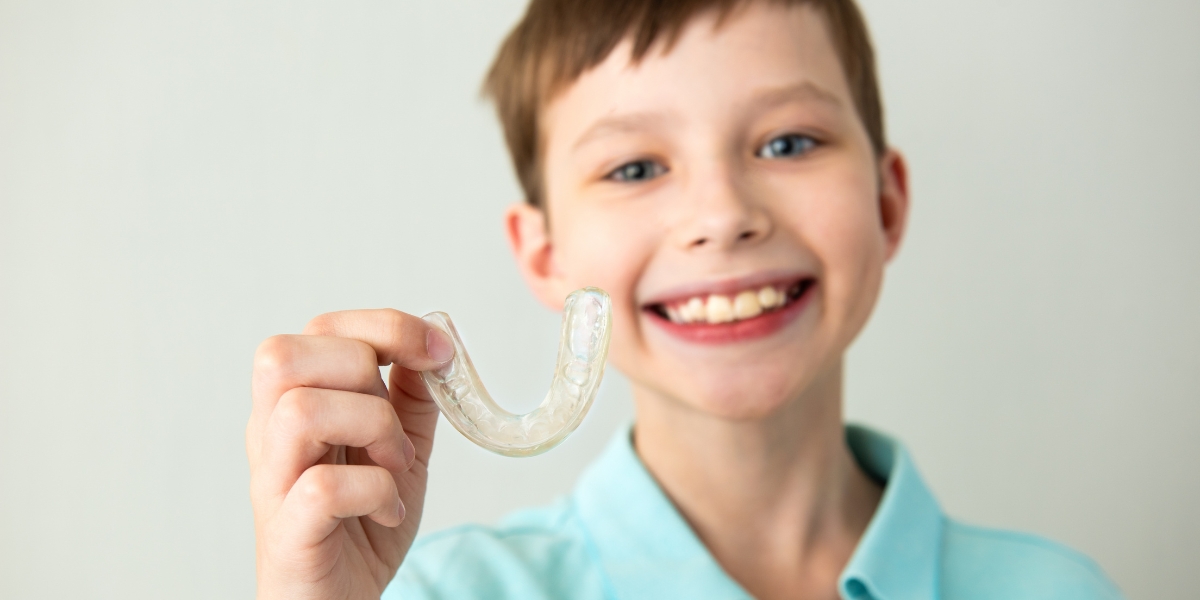
Invisalign is an orthodontic system that uses a series of clear, custom-made aligners to gradually move teeth into healthier positions. Instead of metal brackets, each aligner is made from smooth, BPA-free plastic that’s designed specifically for your child’s smile.
Your child wears each aligner for about one to two weeks before moving on to the next set. Every aligner makes small adjustments, and over time, these gentle movements create noticeable improvements in both tooth alignment and bite.
Since the aligners can be removed while eating and brushing, many children find them much easier to live with than traditional braces.
Can Invisalign Fix an Overbite or Underbite?
For many children, the answer is yes.
Invisalign is often effective for treating mild to moderate overbites and underbites. Before treatment begins, the dentist or orthodontist creates a detailed digital model of your child’s teeth. This technology allows every stage of tooth movement to be carefully planned before the first aligner is even worn.
As treatment progresses, each new aligner applies gentle pressure to guide the teeth into better alignment. In some cases, small tooth-colored attachments may be added to help certain teeth move more efficiently.
The key to success is consistency. Children who wear their aligners for the recommended number of hours each day usually experience excellent results.
Why More Families Are Choosing Invisalign
One of the biggest reasons parents appreciate Invisalign is that it fits naturally into everyday life.
Children don’t have to worry about food getting stuck in brackets or avoiding favorite snacks. Since the aligners are removable, brushing and flossing stay simple, making it easier to keep teeth healthy throughout treatment.
Families searching for children dentistry Hollywood services also appreciate that Invisalign can be part of a complete preventive and orthodontic care plan. Regular dental visits allow providers to monitor both your child’s oral health and their progress throughout treatment, ensuring healthy teeth and proper bite development together.
Benefits of Invisalign for Children
A More Natural-Looking Smile During Treatment
Many children and teens feel more confident wearing clear aligners because they’re barely noticeable. They can smile, talk, and participate in school activities without feeling self-conscious.
Greater Comfort
Unlike traditional braces, Invisalign aligners don’t have metal wires or brackets that can irritate the cheeks and lips. The smooth plastic design makes everyday wear much more comfortable.
Easier Brushing and Flossing
Good oral hygiene is much easier because the aligners come out before brushing and flossing. This helps lower the chances of plaque buildup, cavities, and gum problems during orthodontic treatment.
No Long List of Foods to Avoid
Kids can still enjoy popcorn, apples, pizza, or crunchy vegetables. They simply remove the aligners before meals and put them back in afterward.
Fewer Adjustment Appointments
Traditional braces often require regular tightening visits. Invisalign treatment usually involves shorter progress appointments, making scheduling easier for busy parents.
Customized for Every Smile
Every aligner is created using advanced digital technology, allowing treatment to be customized to your child’s unique smile and bite.
Is Invisalign the Right Choice for Every Child?
Not necessarily.
Although Invisalign works well for many young patients, it isn’t suitable for every case. Children with severe bite problems or complex jaw alignment issues may benefit more from traditional braces or other orthodontic treatments.
Another important factor is responsibility. Since the aligners are removable, children need to wear them consistently—typically around 20 to 22 hours every day. Skipping wear time can slow progress and affect treatment results.
A thorough orthodontic evaluation is the best way to determine whether Invisalign is the right option.
Helping Your Child Get the Best Results
Parents play an important role throughout Invisalign treatment.
Simple habits like reminding your child to wear their aligners, cleaning them regularly, and keeping up with scheduled dental appointments can make a big difference. Encouraging consistent wear helps ensure the treatment stays on schedule while giving your child the best possible outcome.
Most children adapt surprisingly quickly, and before long, wearing aligners simply becomes part of their daily routine.
A Healthy Bite Today Can Benefit Your Child for Years
A properly aligned bite does more than create a beautiful smile. It supports healthy chewing, clearer speech, improved oral hygiene, and balanced jaw development as your child grows.
For many children, Invisalign offers an effective, comfortable, and family-friendly way to correct overbites and underbites while minimizing disruptions to everyday life. If you have questions about whether your child is a candidate, the team at Parker Dentistry can evaluate their smile, discuss every available treatment option, and create a personalized plan that supports healthy development.
Schedule an appointment today to find out if Invisalign is the right step toward a healthier, more confident smile for your child.
Frequently Asked Questions
Can Invisalign correct both overbites and underbites?
Yes. Invisalign can successfully treat many mild to moderate overbites and underbites. The right treatment depends on your child’s age, jaw growth, and the complexity of the bite issue.
At what age can children start Invisalign?
Many children become eligible after several permanent teeth have erupted. Your dentist or orthodontist will determine whether your child is ready during an examination.
How many hours should my child wear Invisalign each day?
For the best results, aligners should usually be worn for 20 to 22 hours daily, removing them only for eating, drinking anything besides water, brushing, and flossing.
Is Invisalign less painful than traditional braces?
Most children report less discomfort because Invisalign uses smooth plastic aligners instead of brackets and wires that may irritate the mouth.
Can my child eat normally during Invisalign treatment?
Yes. Since the aligners are removable, children can continue enjoying their favorite foods without the dietary restrictions often associated with braces.
How long does Invisalign treatment usually take?
Treatment varies from child to child, but many cases are completed within 12 to 24 months, depending on the severity of the bite issue.
What happens if my child forgets to wear the aligners?
Missing wear time can delay treatment and reduce its effectiveness. Wearing the aligners consistently every day is essential for achieving the planned results.
How do I know if Invisalign is right for my child?
A comprehensive orthodontic evaluation is the best way to determine whether Invisalign is the most appropriate treatment for your child’s individual smile and bite.