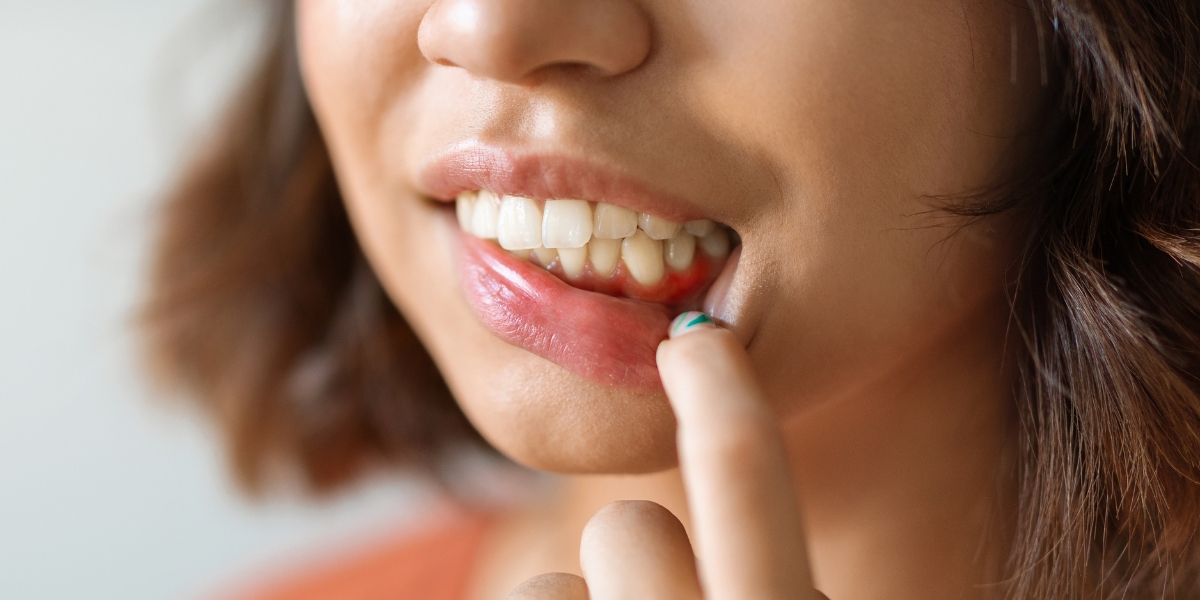

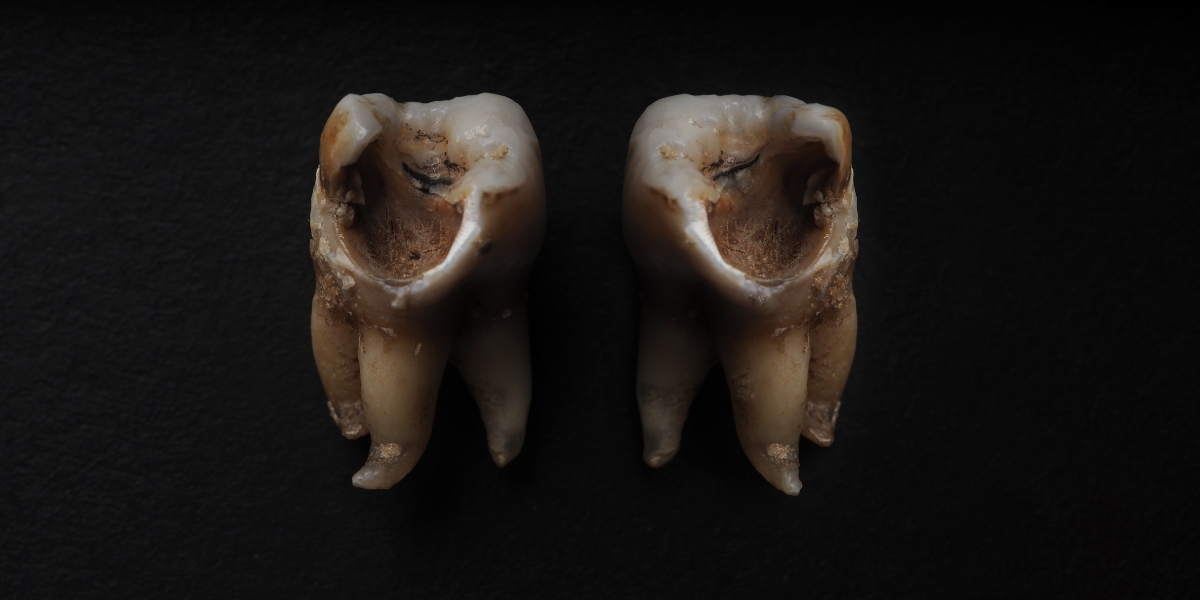
Losing a tooth because of decay isn’t something most people expect—and when it happens suddenly, it can feel a bit overwhelming. Even if the tooth was already causing discomfort, having it fall out on its own doesn’t mean the problem is gone. In fact, the area left behind needs proper care to avoid infection, irritation, or further dental issues.
First, Stay Calm and Take a Look
It’s completely normal to feel uneasy, but try to stay calm and check the area. Some bleeding is expected. You can place a clean gauze or even a slightly damp tea bag over the spot and bite down gently to help it stop. If the bleeding doesn’t slow down after about 10–15 minutes, it’s a good idea to seek immediate dental help.
Clean the Area Gently
Once things settle, rinse your mouth with warm salt water. This helps clear away bacteria and keeps the area clean without being too harsh. Avoid strong mouthwashes for now, especially those with alcohol, since they can irritate the sensitive gum tissue.
Hold Onto the Tooth (If You Have It)
If you still have the tooth, handle it carefully—hold it by the top part, not the root. In cases of severe decay, the tooth usually isn’t strong enough to be placed back. Still, bringing it along when you visit a dentist can be helpful. A Hollywood dentist can take a closer look and better understand what led to the tooth loss.
Ease Any Discomfort
After the tooth falls out, it’s common to feel some soreness or swelling. You can apply a cold compress on the outside of your cheek to reduce swelling. If needed, an over-the-counter pain reliever like ibuprofen can help. Just avoid aspirin if there’s still bleeding, since it can make it harder for the blood to clot.
Choose Softer Foods for a Few Days
Your gums will likely be tender, so it’s best to stick with soft foods for a while. Things like soups, yogurt, mashed potatoes, or smoothies are easier to manage and won’t disturb the area. Try to stay away from crunchy, sticky, or spicy foods until your mouth feels more comfortable.
Watch for Anything Unusual
Since there’s now an open space, it’s important to keep an eye on how it’s healing. If you notice increasing pain, swelling, a bad taste, or even a fever, don’t ignore it. These could be signs of infection and should be checked right away.
Don’t Skip a Dental Visit
Even if you feel okay, it’s still important to have a dentist examine the area. There could be small fragments left behind or underlying issues that need attention. Visiting a dentist ensures everything is healing properly and helps you avoid complications later on.
Think About Replacing the Missing Tooth
Once the area has healed, replacing the tooth is something worth considering. Leaving a gap can cause nearby teeth to shift over time, which can affect your bite. Your dentist may suggest options like dental implants, bridges, or partial dentures based on your needs.
Keep Your Oral Care Routine Strong
This experience can be a reminder of how important daily oral care is. Brushing twice a day, flossing regularly, and keeping up with dental check-ups can help prevent further decay. If needed, your dentist might also recommend additional treatments to strengthen your teeth.
Final Thoughts
Having a decayed tooth fall out can feel unsettling, but it’s manageable when you take the right steps. Keeping the area clean, paying attention to how it heals, and getting professional advice will help you move forward with confidence. To protect your oral health and explore the best next steps, schedule an appointment with a Hollywood dentist.
Frequently Asked Questions
Is it normal for a badly decayed tooth to fall out?
Yes, when decay weakens the structure of the tooth significantly, it can loosen and eventually fall out on its own.
Should I be worried if there’s no pain after it falls out?
Not necessarily, but even without pain, the area still needs to be checked to make sure there are no hidden issues.
How long does it take for the gum to heal?
Initial healing usually takes about one to two weeks, but complete healing may take longer depending on the condition of your gums.
Can I eat normally after losing a tooth?
It’s better to stick with soft foods at first and slowly return to your regular diet as the area heals.
Do I really need to replace the missing tooth?
Yes, replacing it helps prevent nearby teeth from shifting and maintains proper function and appearance of your smile.
Related Articles