

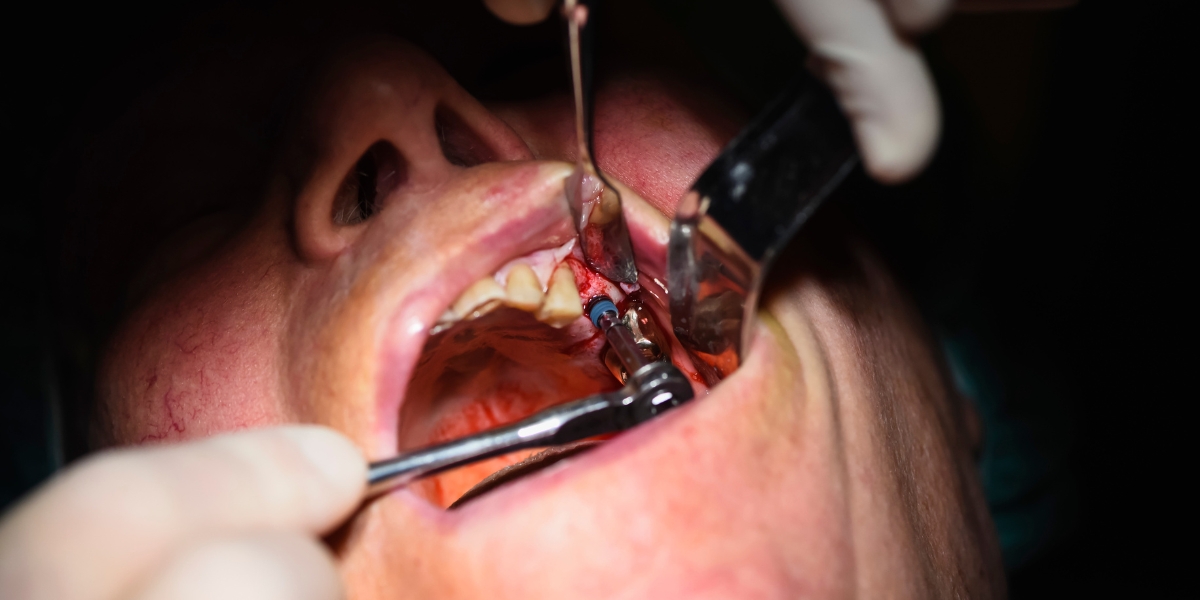
If you’ve recently had a dental procedure and find yourself wondering when those tiny stitches will finally disappear, you’re definitely not alone. Many patients get curious—and sometimes a little anxious—about how long dissolvable stitches stick around. The good news? You’re about to get clear, simple answers that make the healing process much easier to understand.
What Dental Stitches Actually Do
Dental stitches, or sutures, are placed to help tissues heal securely after certain treatments. Whether you had a tooth extraction, gum surgery, or any procedure involving an incision, stitches keep everything closed, reduce bleeding, and help guide the tissues back together properly.
Types of Stitches Used in Dentistry
Understanding the kind of stitches used can give you a better idea of how long they’ll last.
Absorbable Stitches
These are designed to dissolve on their own once your body starts healing. They’re often made from gut-based materials or synthetic fibers and are ideal for areas that repair quickly.
Non-Absorbable Stitches
These do not dissolve and must be removed during a follow-up visit. They’re usually made from nylon, silk, or other durable materials and provide longer-term support where needed.
At this point in your healing journey, you may already be checking your mouth in the mirror wondering when things will return to normal. If you’re ever unsure whether your stitches look right, reaching out to a dentist in Hollywood can help you get clarity and reassurance during early recovery.
What Affects How Fast Dental Stitches Dissolve?
Several factors play a role in determining dissolving time:
Suture Material
Some materials break down faster than others. Your dentist chooses the type based on the specific procedure and the area being treated.
Where the Stitches Are Placed
Areas with a lot of movement—like near the cheeks or tongue—may take a bit longer to dissolve. High saliva flow can also influence how quickly the material breaks down.
Your Body’s Healing Response
Everyone heals differently. Your general health, immune response, and how closely you follow post-op instructions can speed up or slow down the dissolving process.
Typical Dissolving Times for Dental Stitches
Here’s a quick breakdown of how long commonly used stitches last:
Absorbable Stitches
- Plain Gut: Roughly 5–7 days
- Chromic Gut: Around 10–14 days
- Polyglycolic Acid (PGA): About 7–10 days
Non-Absorbable Stitches
- Silk: Must be removed, usually within 5–10 days
- Nylon: Removed within 7–14 days
Non-absorbable stitches won’t dissolve on their own, so your dentist will let you know exactly when you’ll return for removal.
Caring for Your Mouth After Getting Stitches
Following your post-operative instructions is extremely important for proper healing.
Stick to Your Dentist’s Guidelines
This may include avoiding certain foods, rinsing gently, keeping the area clean, and taking prescribed medications.
Attend Your Follow-Up Visits
These appointments allow your Hollywood dentist to check healing progress, remove stitches if necessary, and ensure no complications are developing.
Possible Issues to Watch For
While most patients heal without any trouble, complications can occasionally happen.
Infection
Signs include increased pain, swelling, foul taste, or discharge near the surgical site. If you notice symptoms like these, call your dentist right away so treatment can begin promptly.
Delayed Healing
Health factors, smoking, poor oral hygiene, or systemic conditions may slow the healing process. If swelling or discomfort isn’t improving, a quick evaluation can help identify what’s causing the delay.
Your Dentist’s Role in the Healing Process
Your dentist is the one who monitors your progress, evaluates how well the tissue is responding, and steps in if adjustments or stitch removal is needed. Their ongoing supervision ensures healing stays on track.
Final Thoughts
Knowing how long dental stitches take to dissolve helps you feel more confident and in control during recovery. Most dissolve naturally without any issues, but the type of stitch, placement area, and your individual healing response all influence the timeline. With proper home care—and support from your dental team—you can expect a smooth journey from start to finish.
If you have concerns about your stitches or healing progress, you can always schedule an appointment to get professional guidance and peace of mind.
Frequently Asked Questions
Do dissolvable stitches always dissolve on their own?
Yes, absorbable stitches are designed to break down naturally. However, if a small piece remains after several weeks, your dentist can remove it easily.
Can I brush over my stitches?
You can brush gently around the area, but avoid direct, vigorous brushing over the stitches for the first few days.
What should I do if a stitch comes loose early?
This is usually not an emergency. However, if you see bleeding or the wound opening, contact your dentist for further instructions.
Is it normal for dissolvable stitches to feel hard or irritating?
Yes, they may feel stiff or scratchy at first. As they begin dissolving, this sensation usually decreases.
When should I worry about pain near my stitches?
Some soreness is normal, but worsening pain, swelling, or foul smell may indicate infection and should be evaluated.
Can food get stuck in my stitches?
Yes, this can happen. Rinse gently with warm saltwater to keep the area clean, unless your dentist advises otherwise.
Do dissolvable stitches taste bad?
Some people notice a mild taste as the material breaks down—that’s normal and temporary.
How long before I can chew normally again?
Your dentist will give specific instructions, but many patients can resume normal chewing within a few days depending on the procedure.
Will stitches affect how I speak?
They might feel noticeable at first, but most people adjust quickly.
Should dissolvable stitches be removed if they don’t fall out?
If any part remains after a few weeks, your dentist may simply remove it during a quick appointment.